Amaya Garcia
Director, PreK-12 Research and Practice
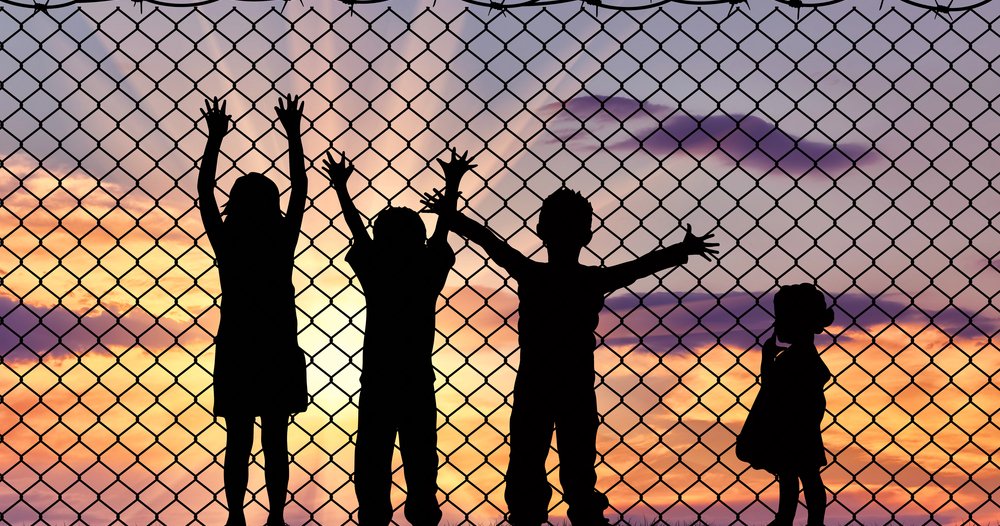
In January, U.S. Immigration and Customs Enforcement (ICE) carried out a to remove Central American migrants who had entered the country illegally . The raids who had been rejected for asylum 鈥� a move that drew 鈥� and served to . The repercussions of the raids impacted public school systems across the country. Here in the Washington, D.C. metro region, there were reports of due to concerns around leaving the house for fear of being . These fears were further escalated by stories of teenagers being and the perceived threat of ICE .
In response, several school systems across the country released statements and the Los Angeles Unified School District (LAUSD) asserted that . Children who enter the U.S. illegally are provided with several legal protections – including the and the guarantee of privacy under . Furthermore, ICE has a . But as a recent Atlantic highlights, few school districts have policies and guidance on the rights of undocumented students. 聽
The recent ICE raids are just one type of challenge faced by undocumented and unaccompanied minors. These children have often experienced trauma, and many have had interruptions to their education. That means school districts must develop a comprehensive set of services and instructional programs to support their needs.
At a organized by the , several panelists spoke about the need to better support unaccompanied and undocumented children. Nancy Navarro, a councilwoman from Montgomery County in Maryland, spoke about the increasing numbers of unaccompanied minors in the county many of whom had experienced . 鈥淲e have a little bit over 2,000 unaccompanied minors. Immediately we saw the impact with the school system. These are young people who have come through a horrific experience with a lot of trauma. We have had to figure out do we provide our teachers, our counselors, everybody with the tools to address a lot of these issues,鈥� said Navarro.
Exposure to violence and trauma has been found to negatively impact , , and . Some have launched to help address and mediate the impact of trauma on student behavior and achievement. According to the Substance Abuse and Mental Health Services Administration (SAMHSA), a :
Adopting a trauma-informed approach requires extensive training for school counselors, teachers, and administrators. Harrisonburg City Public Schools 鈥� a small district in Virginia that serves many refugee students 鈥� has made a concentrated effort to help all school staff (counselors, teachers, administrators) learn strategies for working with students who have experienced trauma. According to April Howard, Executive Director of Psychological and Student Services, 聽the initiative began at the request of school counselors for training on how to work with refugee students and address trauma, 鈥淲e know that we have these students, but what do we do? How do we respond? You鈥檒l hear teachers say, 鈥榃ell I know that Johnny has experienced this, how can I help? What can I do?鈥欌�� To that end, HCPS held a division-wide training in January on trauma-informed care, and is working with a consultant to develop an action plan for how to implement trauma-informed practices in schools.
Harrisonburg has also developed newcomer programs to support students who arrive with limited English skills and interrupted education. These programs are one potential strategy school districts can employ to better support unaccompanied minors and other recent arrivals. 聽 are designed to meet the unique needs of recently arrived students and often consist of small group instruction apart from the general education classroom. According to a 2012 by the Center for Applied Linguistics on newcomer programs in secondary schools these programs have four main goals:
聽 聽 聽1. 鈥淭o help students acquire basic English skills聽 聽 聽
聽 聽 聽2. 聽Provide some instruction in core content areas聽 聽 聽
聽 聽 聽3. Guide students鈥� acculturation to the school system in the United States聽 聽
聽 聽 聽4. 聽Develop or strengthen students鈥� native language literacy skills鈥�
However, given the population, no uniform model for these programs exists. The report highlights several common features of effective programs, including: relevant professional development, specific strategies to help newcomers transition into general education classrooms, content area instruction, and extended learning time. For example, at the High School of World Cultures in the Bronx, students are offered 鈥淧M school鈥� two hours a day after school. These classes provide regents exam preparation, support for students with interrupted education and for dual language students.
But newcomer programs are rare. In 2012, offered newcomer programs and about half of those had only one program. Those who have access to these programs may be the lucky ones. Recent reveals that 35 school districts across the country have been actively denying school enrollment to unaccompanied minors over the age of 16. According to the AP鈥檚 , in Memphis these youth 鈥渉ave been blocked from going to Memphis high schools because officials contend the teens lacked transcripts or were too old to graduate on time鈥� and pushed to enroll in an adult education school that provided GED classes and some English classes. While in New York, the was recently investigated by the state attorney general for their 鈥渦nwritten policy鈥� of routing English language learners over the age of 16 out of traditional high schools and into non-degree alternative education programs.
Many of the panelists at the March briefing noted the urgent need for additional resources to help school districts better support and meet the varied needs of unaccompanied and undocumented students. As Councilwoman Navarro pointed out, educating these students is both a moral and economic imperative, 鈥淲hen it comes to education and it come to workforce readiness, these will be the faces of our workforce.鈥�
—This post is part of 麻豆果冻传媒鈥檚 Dual Language Learners National Work Group. . To subscribe to the biweekly newsletter, click here, enter your contact information, and select “Education Policy.”“
Director, PreK-12 Research and Practice