Martha Molfetas
Senior Non-Resident Scholar
Debt burdens are a major roadblock to climate adaptation and the energy transition. Today, 3.3 billion people live in nations paying more towards interest on than on healthcare or schools鈥攍eaving fewer resources to deal with climate shocks, climate resiliency, climate adaptation, or renewable energy. In 2023, global public debts reached globally, with $29 trillion owed by developing countries alone. Meanwhile, emerging and developing economies will need an estimated a year by 2030 to meet climate goals.
A thought leader on the climate-debt-development nexus, from the International Institute for Environment and Development (IIED) shares insights on the role of debt burdens, development challenges, and potential win鈥搘in solutions to alleviate debt and promote a netzero transition.
The scale. Countries are using large proportions of domestic revenues to . Those are funds not going towards health, schools, roads, clean energy, or climate adaptation. It鈥檚 gotten to the point where many countries are paying more in debt than what they are getting in development aid or paying for social services. Debts are now held by a wider range of creditors too. Bilateral donors were the largest; now, they are the smallest debt holders. Companies like and mining companies like have large debt stocks in developing countries. Solutions need to take that on board. It鈥檚 not just about development banks. Many private investors have netzero targets and promote environmental credentials, while refusing to form swaps or refinance debts.
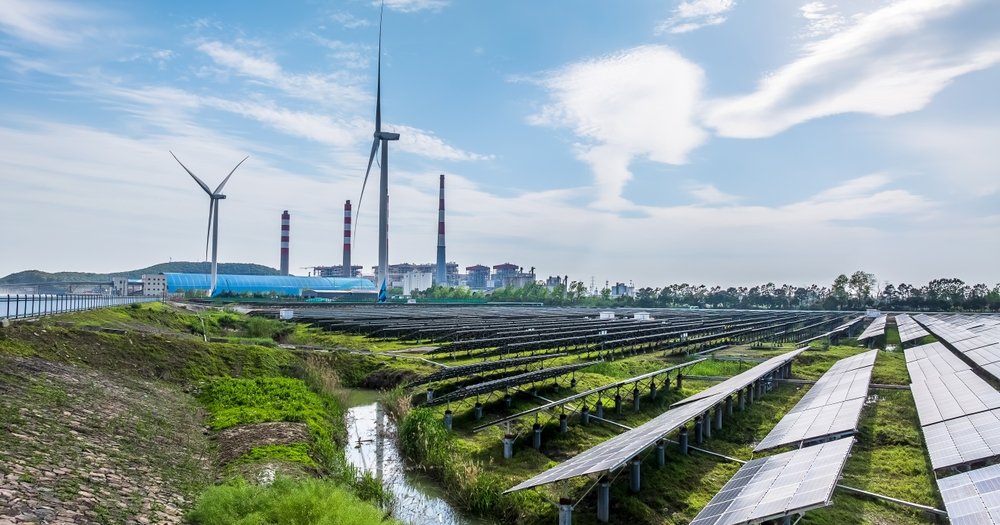
Energy transition is essential for netzero and climate goals. If we鈥檙e talking about a just energy transition, access to energy and grids beyond cities is something to think about for developing countries. So we don鈥檛 have an energy transition that鈥檚 just as unequal as the present reality. Often marginal and remote communities are forgotten. Just Energy Transition have taken on board distributional concerns and justice lenses. It鈥檚 not just about the quantity of finance, it鈥檚 the of how it gets to where it鈥檚 needed.
We鈥檙e heading for a crisis. The G20 recognized this in 2020 and created a initiative and common framework to help. As we saw with Kenya鈥檚 , this is not working. The money Kenya got they couldn鈥檛 use for social services; they had to pay debt burdens. It鈥檚 in that they will pay debts first; this helps their creditworthiness to access funding. But it means money isn鈥檛 spent on things . Debt swaps and a range of initiatives are needed. The World Bank, IMF, and others need to work together on debt forgiveness, debt swaps, concessional grants, and commercial loans to offer guarantees. It won鈥檛 be a one size fits all approach.
It鈥檚 about the quality of finance meeting the estimates. United Nations agencies, the International Energy Agency, and even McKinsey have all created their own estimates. McKinsey has the largest estimate that includes agriculture, at a year. But behind that headline, it鈥檚 an additional $3 trillion on top of what鈥檚 currently being spent. There鈥檚 a lot of big headline figures, but in the details it鈥檚 not as challenging a lift as it sounds.
Debt for nature swaps for the most indebted developing economies would release over for climate and nature. Traditional the United States and environmental groups created for forest caused exclusion issues. The came up with a locally owned and driven approach. Linking debt relief to key performance indicators for nations on a national level through their NDCs or climate impact risk made a difference. Developing countries want debt forgiveness. The private sector is not thrilled by that鈥攁 swap where there is no repayment鈥攂ut we鈥檝e achieved things across climate, energy, and nature that could be big for impact investors and philanthropy.聽
How risk is assessed. Multilaterals do a analysis on climate risk rather than how we address climate risk and impacts. Looking at it from only a risk assessment perspective makes it harder to get resources where they鈥檙e needed. Changing how risks are assessed would be beneficial. Right now, informal economies are viewed poorly. Across India, of the economy is considered informal. In Kenya and elsewhere, everywhere you go there are open street markets. These informal economies support millions of livelihoods. Rather than seeing informality as increasing risk, it鈥檚 important to see it as entrepreneurship that supports lives鈥攁 bottom up approach to assessments. These are the perspectives we should be changing.聽
is the Director of the Shaping Sustainable Markets Group at the International Institute for Environment and Development (IIED). Laura is leading work on sector transformation in agriculture, energy, and minerals addressing climate change and nature loss. Laura has held several senior roles, providing strategic direction on international development, trade, and the Sustainable Development Goals in the United Kingdom鈥檚 Department for International Development (DFID), now the Foreign, Commonwealth, and Development Office.
You can follow her on .
Senior Non-Resident Scholar