Sarah Jackson
Principal at SJackson LLC
Last year some children in California had a different teacher in their classroom every day.

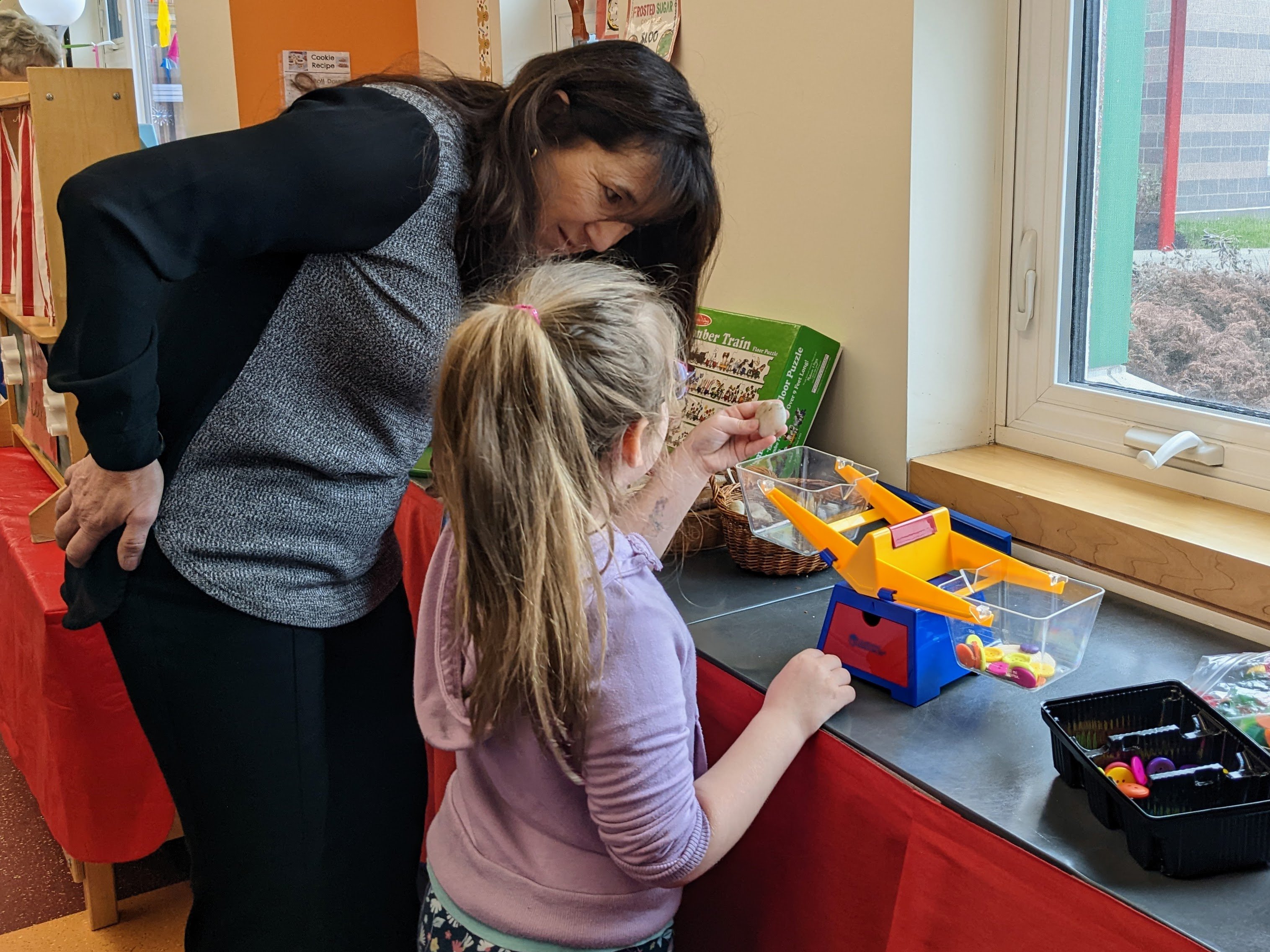
If you鈥檙e four years old, your relationship with your teacher is very important to your success in school. You know what your teacher鈥檚 rules are. She knows what makes you feel safe and how to comfort you when you are upset. She knows who picks you up after school, and what your favorite snacks are. And, if your home language is not English, she may know how to speak to you in your home language or may have learned a few key phrases to communicate with you and your family.
So when your teacher is out, due to illness or other reasons, you may experience a great deal of uncertainty. Everything, from your point of view, will be different. Maybe there will be a substitute teacher that you have never met before. Maybe there will be another adult from your school taking over鈥攁 literacy coach or even the principal. Either way, these strange adults are unlikely to know you or your classroom routines very well. They may not have experience teaching children your age or know how to come up with developmentally appropriate learning activities. They may or may not have a lesson plan. Or there may be no substitute teacher at all, and you may have to spend the day in another teacher鈥檚 classroom. The new room will be crowded with all the extra kids and you don鈥檛 know what to expect. Tomorrow, you may not want to go school at all.
A lot has been written this year, the , and the some districts have employed to staff classrooms 鈥攍ike . But little has been written on the impact of the teacher shortage on the youngest children in our schools, which can be grave.
Developmental science shows that relationships with stable caregivers are foundational for young children鈥檚 learning. According to the , teachers of young children should 鈥渄evelop a relationship with each individual child that allows them to feel recognized and acknowledged.鈥� We have a great deal of evidence that the absence of stable relationships can cause real harm to young children. has documented for young children with losses in areas like literacy development and emotional regulation.
And for children who have experienced trauma or adverse life experiences, as many of our children have with losses from COVID and its devastating health and economic impacts, having these stable relationships in school is even more critical.
Anna Arambula-Gonzalez, who worked in Fresno Unified as a dual language learner (DLL) coach for the last six years, says she watched children suffer this year due to the lack of stability in their classroom staffing. Like most school districts in California, Fresno Unified was struggling to fill existing teacher vacancies, and teachers were out often due to illness. Yet there were almost no substitutes, Arambula-Gonzalez said, despite the . As a result, some children had a different person in their classroom every day. And too often, she said, the adults covering classrooms had little or no experience in early childhood. 鈥淭hey were just a body in the classroom making sure that children were safe. Unfortunately, the quality was not what it should have been,鈥� she said.
Fresno Unified has a large early childhood program within its school district, serving children ages birth to five. The district for California as it expands programs that serve young children.
Arambula-Gonzalez said that without their stable caregiver, children were likely to feel anxiety this year and some had trouble taking part in classroom activities or even getting basic needs met. Educators say young children often do not want to be comforted by adults they don鈥檛 know, may withdraw when there are strangers in their classroom, or be unlikely to eat at school, even when they are hungry.
Unstable classroom staffing was also particularly hard on families, Arambula-Gonzalez said. Families also build trusting relationships with their child鈥檚 teacher over the school year and struggle to comfort children who are upset when their regular teacher is out.
Arambula-Gonzalez is now working as a child development instructor and coordinator at Madera Community College outside of Fresno. An expert in supporting teachers to work with DLLs, she said the impact can be acute for multilingual learners, which the majority of young children in California are.
鈥淪ay for example, I am a teacher in a classroom and I have Hmong students,鈥� Arambula-Gonzalez said. 鈥淚 already learned maybe 15 words that I use daily to engage with the student. But if I am out for a week or two, the student then has no communication. The student begins to shut down and is no longer interested in anything going on in the classroom.鈥�
In California, the pandemic put additional strain on an already short supply of teachers and these shortages are istricts struggling to fill vacancies were forced to or on to fill open positions. Nationally, less advantaged schools .
As California works to develop its early care and education workforce, improve program quality, and fill the estimated over the next few years, solving the substitute crisis for school districts like Fresno and for early childhood programs must be front and center. Teachers cannot take sick leave, attend professional development to improve their practice, collaborate with colleagues, or plan lessons without a well-qualified substitute pool.
Arambula-Gonzalez and other teachers we spoke to in California this year said substitutes need more training before being placed into classrooms. They emphasized that those working with the youngest DLLs must have the expertise to do so to ensure that learning can continue even when the teacher is out.
To alleviate staffing crunches and improve the quality of teaching, some districts are who can 鈥渇loat鈥� to classrooms when needed. Other experts point to more innovative staffing models for school districts and provider networks for early childhood programs where programs pool substitute resources. But these models depend on being able to retain the state鈥檚 early childhood expertise and attract new teachers to the field who want to stay and build their careers. Experts say in working conditions and compensation. California has begun some work in these areas, but for the children who depend on relationships with their teachers in order to thrive, change is not happening soon enough.
Enjoy what you read? Subscribe to our newsletter to receive updates on what鈥檚 new in Education Policy!
Principal at SJackson LLC