Terry Greene Sterling
Arizona Journalist, Author, and Teacher
This article in , a collaboration among , 麻豆果冻传媒, and .
Every day, Donald Benally golfs.
It takes his mind off the coronavirus outbreak pummeling the , killing at least 22 and infecting 558 victims as of Friday. Like many Navajo people, Benally wonders whether the dead and afflicted are undercounted. He wonders if the virus had anything to do with the deaths of his 82-year-old uncle and 66-year-old cousin, who both recently died from 鈥渉eart attacks.鈥� He worries about elders, toughing it out in remote areas without enough food or water or medicine. He thinks about his daughter, Katelyn Rae, huddling in her Northern Arizona University dorm room in Flagstaff. She鈥檚 so alone, but he can鈥檛 bring her home. There鈥檚 no internet in his house in Steamboat, a remote community on the Arizona side of the Navajo Nation.
So Donald Benally plays golf, and the worries diminish for a little while. 鈥淚 feel like I totally forget about what鈥檚 going on with this pandemic,鈥� he said. 鈥淚t helps.鈥�
Just a few weeks ago, Benally, a 55-year-old project manager for the Navajo Nation, was planning what needed to be done to prepare the Wagon Trail to Lonesome Pine golf course鈥攁n expanse of clustered blue sage, rocks, gullies, and sand visited by an occasional cow, horse, or sheep鈥攆or a summer of 鈥渞ez golf鈥� that would culminate in a popular community tournament. Now the tournament will likely be canceled. And Benally is hunkering down with his wife, Jean, in their house overlooking the nine-hole course he and his friends and family created more than a decade ago.
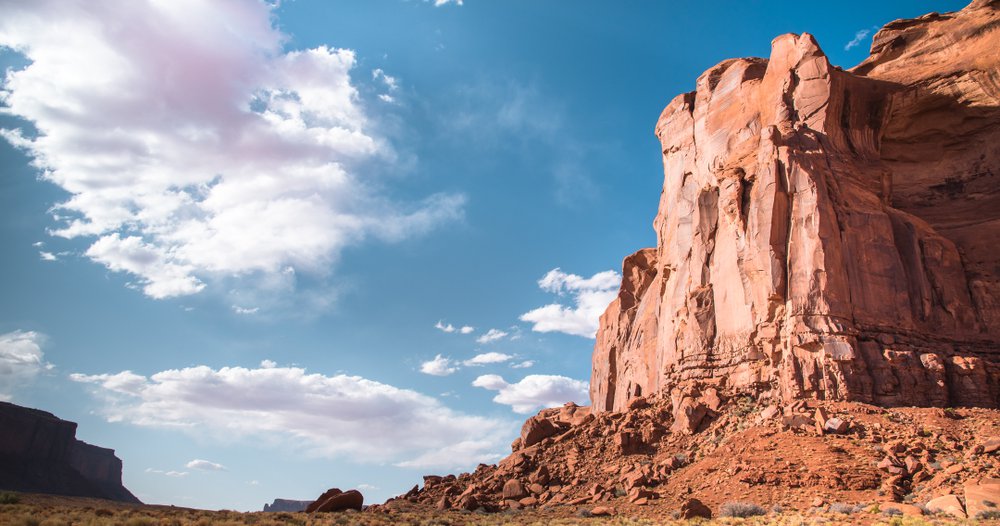
is embedding itself in the Navajo sports culture, one course at a time. There are at least three rez golf courses on the nation鈥檚 27,425 square miles spanning swaths of Arizona, New Mexico, and Utah. The gritty courses, set amid red and gray sands and wind-sculpted cliffs, share the landscape with livestock, coyotes, and rabbits. They hold special meaning to many Navajo golfers because they wind through clumps of sagebrush, a plant thought to have physical and spiritual healing power.
鈥淵ou鈥檙e physically engaged in golf, but at the same time, without consciously knowing it, you鈥檙e helping yourself because you鈥檙e smelling that sage, you鈥檙e hearing that sage move,鈥� said Chinle golfer Olin Littleman, who plays at the Wagon Trail to Lonesome Pine course in Steamboat.
The Wagon Trail to Lonesome Pine course is probably the best known rez golf course because it was . But since the pandemic hit the Navajo Nation, Benally said, he sees only a lone player where there were once many. Benally is a gregarious guy and loves to talk golf, but now he stays inside his house when he spots a golfer on the course.
鈥淚 have my family to think about,鈥� he says. 鈥淚 can鈥檛 just go out there and start socializing with so-and-so and come back here. I mean 鈥� it鈥檚 real scary.鈥�
The Navajo Nation issued its about the coronavirus on Jan. 26. It has called in the National Guard to assist with setting up a medical facility. It . It has enlisted the help of the Federal Emergency Management Agency. In hopes of keeping the contagion down, it鈥檚 shuttered chapter houses, the headquarters of local community governments. Schools have been closed for weeks. Rodeos, a marathon, and bingo games were canceled. It imposed a curfew for the upcoming Easter weekend. But it鈥檚 now facing a bureaucratic funding logjam in the federal government, which means the Navajo Nation isn鈥檛 getting all the financial help it needs to adequately combat the coronavirus. Amid all this, the Navajo Nation president and vice president both went into self-quarantine on April 9 after meeting with a first responder who later tested positive for the virus.
Jonathan Nez, the president, is a respected leader who has become the Navajo Nation鈥檚 Andrew Cuomo. A slender, bespectacled guy, Nez wore blue plastic gloves and a black Columbia zippered jacket when he recently to ask his constituency to flatten the runaway curve. He delivered a mixture of hope and bleak statistics. He guilt-tripped, reasoned, and inspired his people to take the virus seriously.
Only one person from a household goes to the grocery store, he instructed, and please don鈥檛 leave the Navajo Nation boundaries. Obey the evening curfew. Wash your hands. Practice social distancing. Take care of the elders because they are the teachers.
He invoked Navajo resiliency by referencing the mid-19th century , the U.S.
government鈥檚 forced march of thousands of Navajo people from their homeland to Bosque Redondo, in eastern New Mexico. Thousands perished on the way, and others died in confinement. In 1868, after four years, the Navajo survivors returned to their homeland after signing a treaty that ensured their sovereignty.
But their sovereignty goes only so far. It鈥檚 limited by a mishmash of historic treaties, federal court actions, and overriding national policies. And now the federal government, which is largely responsible for health care on the Navajo Nation, is slow in delivering necessary funds to deal with the pandemic. The Coronavirus Aid, Relief, and Economic Security Act promises $8 billion to Native American governments for 鈥減reventing, preparing for, and responding to coronavirus,鈥� according to the Bureau of Indian Affairs. The law took effect March 27. At this writing, the Navajo Nation still awaits its share.
In Arizona, the coronavirus is killing disproportionately in the Navajo Nation. Thirty-nine people have succumbed to the virus in Maricopa County, which includes the Phoenix metro area and has a population of about 4.3 million people. In the Navajo Nation, where close to 174,000 people live, 22 have died.
But no one really knows for sure how many have died of the virus on the Navajo Nation. Myron Lizer, the Navajo Nation鈥檚 vice president, said in an with Bureau of Indian Affairs and U.S. Treasury Department officials that he鈥檚 getting texts that indicate people are dying of the coronavirus but it is not 鈥渁ttributed鈥� to the virus.
The Navajo Nation did not respond to three requests for interviews for this story.
Now, . No one wants to wait for the federal government to decide how to hand out its relief funds. There鈥檚 no time. Elders in remote areas are in need of prescription refills, transportation to doctor鈥檚 appointments, food, water, cooking and heating fuel. Children are hungry.
鈥淚f we lose people not to the disease, but to starvation or freezing, it highlights that there is something very wrong in the system,鈥� said Brett Isaacs, the CEO of Navajo Power, a solar development company.
Isaacs is collaborating with a local community development group to 鈥渂ypass鈥� the Navajo Nation government in order to get services to people who need it.
Reparata Ben sometimes looks out her window at the rez golf course her family built among the cedars and sagebrush in Low Mountain, Arizona. As I spoke to her on the phone, the April wind rattled a speed limit sign on Navajo Route 65, which winds past her solid block house and cuts through the nine-hole golf course. Tumbleweeds scampered across the empty course, with its white benches and holes made of tin cans.
Ben, 43, is an accountant who graduated from the University of New Mexico and then returned home to the Navajo Nation. Her family created the course for the community and usually holds a tournament in the fall. Food is central to the tournament鈥攑astries and coffee in the morning, filling sack lunches, and an enormous dinner after players have gone around the course twice. The feast changes each year, but there鈥檚 usually plenty of mutton stew and fry bread, and maybe a roast beef dinner with two salads, mashed potatoes, vegetables, and dessert. The idea is to feed everyone who stops by.
Hunger has always been a problem in the Navajo Nation.
Now, with the coronavirus outbreak, it鈥檚 getting worse, especially among children. Ambrose Ben, Reparata Ben鈥檚 62-year-old father, sees the hunger when he delivers sack lunches to students who used to attend classes at Jeehdeez鈥檃 Elementary School. Sometimes the kids stand outside their homes waiting for him.
A traditionalist, he follows the advice of some elders and won鈥檛 talk about the outbreak directly.
It鈥檚 taboo, for now. There will be plenty of time to tell stories about the pandemic once it鈥檚 gone and its lessons become clear. But for now, Ambrose Ben washes his hands, practices social distancing, stays home with his family, and plays rez golf alone on the wind-swept course.
The ancestors endured the Long Walk, is how he sees it.
And now 鈥渋t鈥檚 our turn.鈥�
Arizona Journalist, Author, and Teacher