Sarah Jackson
Principal at SJackson LLC
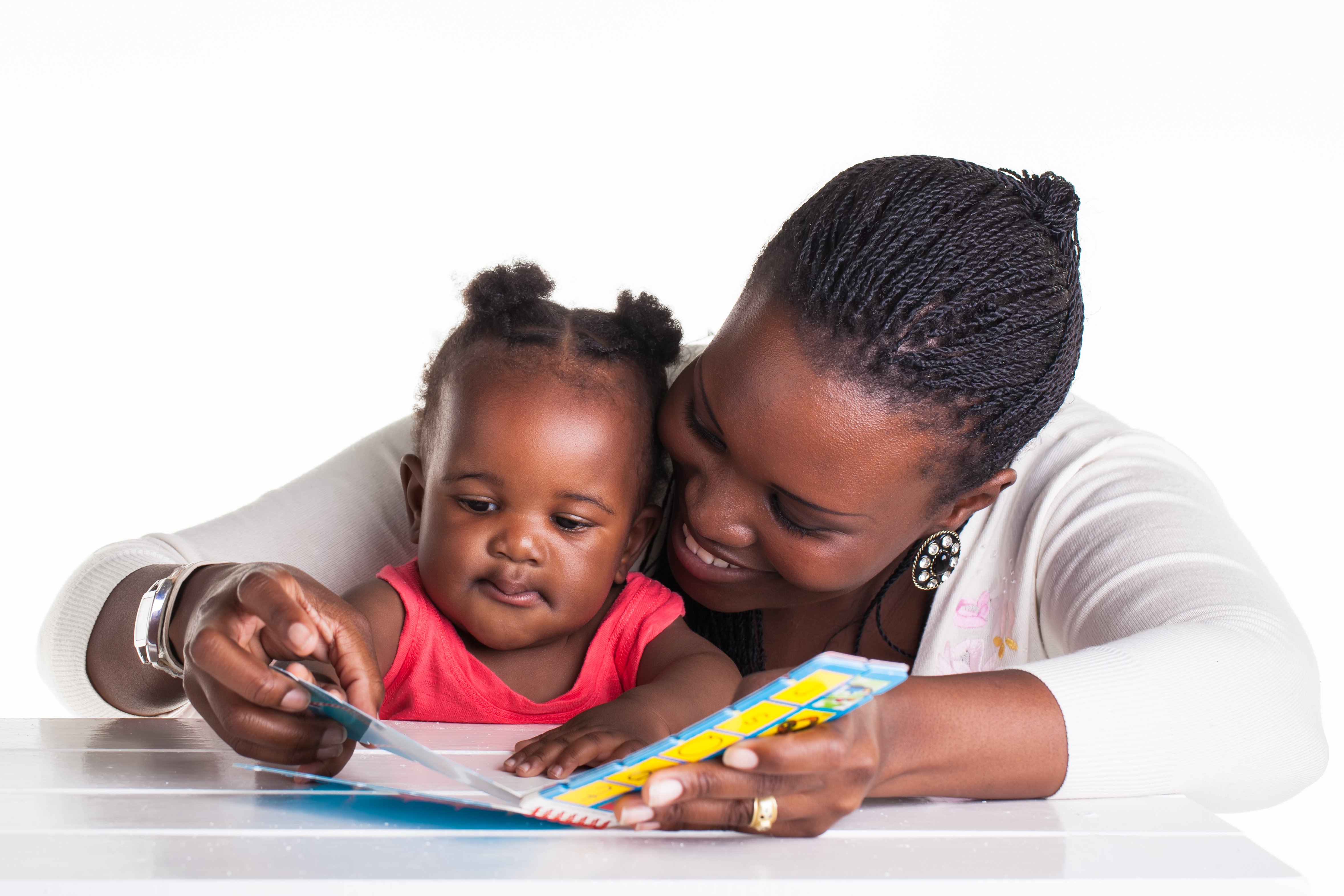
The pediatrician鈥檚 office is becoming a new player in helping children learn foundational skills for communication, language development, and eventually reading.
But a project in New York is taking this concept a step further, by bringing digital technology鈥攕pecifically, video cameras and video players鈥攊nto the doctor鈥檚 office. The (VIP) is underway at the Langone Medical Center at New York University.
Specialists meet with parents and caregivers during regular well-check visits and record them playing with or reading to their young children. These meetings occur 15 times, usually on the same day of primary care visits between a child鈥檚 birth and 5-year-old birthday, either before or after the child and parent have their regular appointment with the pediatrician. The specialists spend about 30 to 45 minutes with families, helping parents to see how they can interact with children in pretend play, guided reading or other learning activities. They create a 5 to 7 minute video of the parent (or other caregiver) playing with her child during that time. 聽And then to provide better understanding and guidance, the specialists watch the video with parents to highlight achievements and to discuss areas for improvement. Parents get a copy of the video to take home and share.
The goal, said Alan Mendelsohn, a pediatrician who started the project in 1999 and is studying its effects, is to encourage critical interactions between parents and children through playing or reading together and to make parents more self-reflective. 鈥淭hey themselves can begin to say 鈥榳ow this is really cool what I did.鈥� Or 鈥榯hat would have been an opportunity to engage with my child,鈥欌�� he said.
With nine years of funding from the National Institutes of Health, researchers have been following participants since 2005, and so far they鈥檝e been pleased by the results. They鈥檝e conducted a half-dozen or more studies with participating families, including at least three randomized control studies, the 鈥済old standard鈥� of research.
The participating mothers were low-income Latina immigrants with a tenth-grade education, on average鈥攊n other words, parents whose children are often at risk for struggles in school. The researchers used various assessment tools to measure children鈥檚 cognitive skills and other effects, and parents also kept a reading-recall diary of their interactions.
In one study, 410 parents were divided into three groups: one took part in the VIP program, another received a newsletter with information on child development, and the third was a control group with no intervention. The showed that children in the VIP group had higher scores on cognitive tests at six months and parents and children did more reading activities compared with the control group. The greatest effects were for mothers with a ninth-grade or higher reading level. Kids were watching as well, in part because of the enhanced parent-child interactions.
In a with 99 Latino children and their mothers, the program modestly boosted cognitive development for toddlers at 33 months, and the children were less likely to have developmental delays. The cognitive boost had been as well.
Mendelsohn said these findings are important as evidence that the doctor鈥檚 office is an underused resource in the fight to catch low-income children up to their more advantaged peers. He鈥檚 been studying poverty related disparities and school readiness for many years, and recognizes that babies begin learning as soon as they鈥檙e born, .
鈥淲e need to intervene earlier,鈥� last year, 鈥渋f we are going to reduce the gaps in school performance that happen for low-income families.鈥�
Outside of VIP, other examples are also emerging of doctors getting involved. 聽A large-scale example is , a literacy program started in the early 1990s trains doctors and nurses to talk with parents about the importance of reading and provides new books to patients at regular well-check appointments.
It is a 鈥渁 rich and engaging opportunity to provide similar guidance around literacy,鈥� 聽said Mendelsohn, who was also involved in Reach Out and Read studies. And it works, done in the early 2000鈥檚. Families who take part in Reach Out and Read are more likely to have books in the home and to read to their children. The program is also associated with among older toddlers. It now operates at 5,000 medical sites throughout the United States, including at Bellevue Hospital where Mendelsohn works, and touches almost four million children, most of whom are from low-income families.
The American Academy of Pediatrics has traditionally cautioned against technology use with young children鈥攖hey for kids under age two. But Mendelsohn, who鈥檚 a member of the American Academy of Pediatrics Council on Early Childhood, sees promise in ways to use technology to help enhance interaction between parents and their children instead of distracting from it.
The Video Interaction Project has expanded beyond the research setting to Woodhull Medical Center in Brooklyn. We鈥檒l be taking a closer look at this work as as part of the research for , a series of blog posts at and the , on the role technology plays in early literacy. Stay tuned.
Principal at SJackson LLC