Doing Right by Dual Language Learners in New York City’s Pre-K Expansion
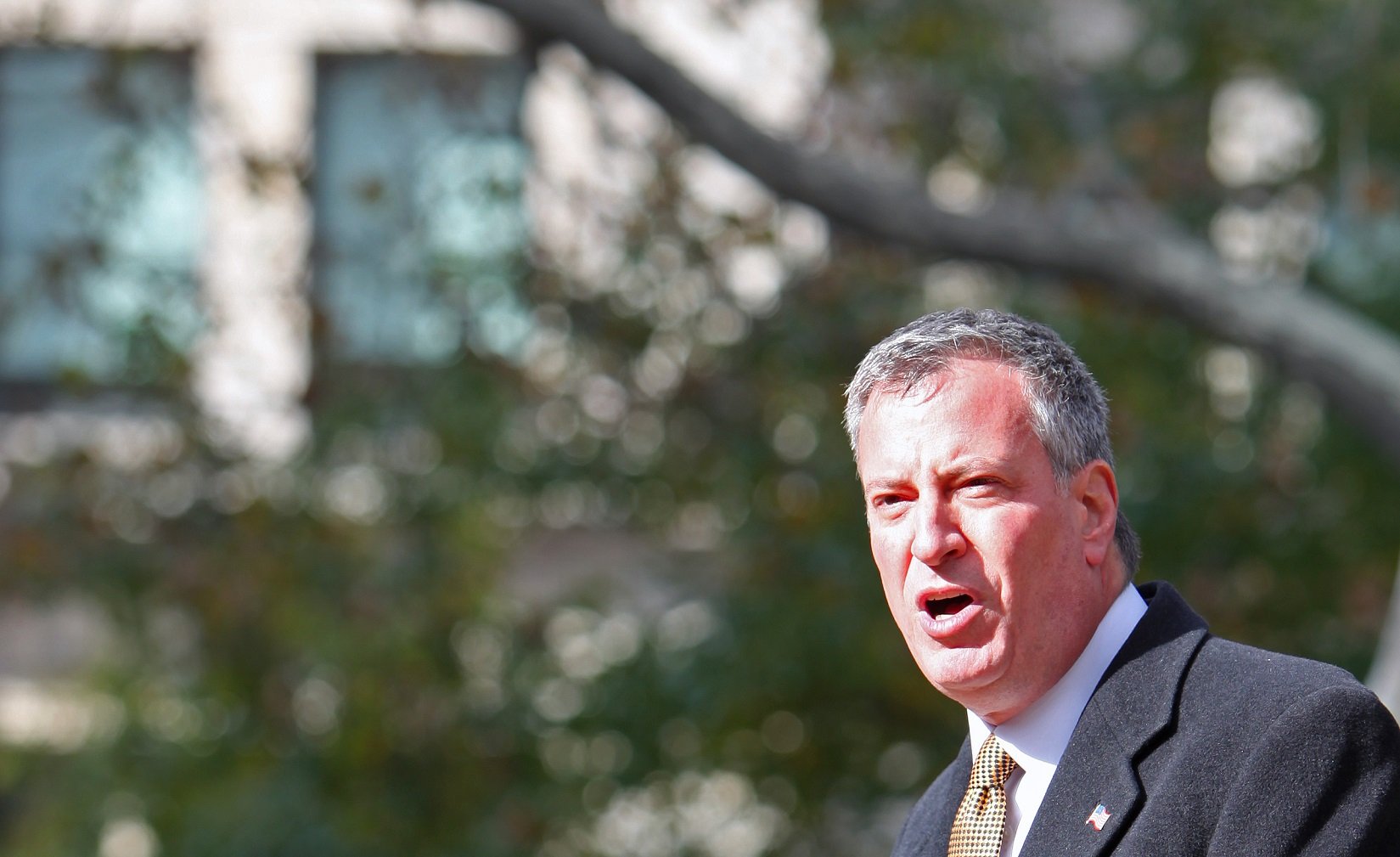
After nearly three months as head of New York City鈥檚 鈥渟hip of state,鈥� Mayor Bill de Blasio is still finding his sea legs. From his to his (ongoing) attempts to tamp down the controversy over , de Blasio has had little time to craft and drive political narratives of his own choosing. This has even been true for his top political priority: establishing universal pre-K. For a variety of reasons, the push got bogged down in , the pace of implementation, and governing institutions. Perhaps worst of all, the pre-K debate in New York has been dominated by questions related to access.
But increased access is only part of any worthwhile early education agenda. Quality is at least as important鈥攁nd it鈥檚 almost always a more difficult lift for policymakers. To its credit, the de Blasio administration has released several reports that reference its efforts to ensure that any expansion of pre-K access is also of high quality. And yesterday, the city would spend $6.7 million as part of an early education teacher training program with the City University of New York.
The de Blasio administration deserves credit for including an extra emphasis on dual language learners as part of its progress reports.
And throughout the campaign, de Blasio鈥檚 administration has made note of one other especially critical quality improvement. De Blasio has consistently mentioned New York City鈥檚 dual language learners as a student group that will get particular supports in any expansion of pre-K. In , the administration wrote:
As New York City continues to attract and welcome immigrants from all over the world, creating the best pre-K possible for this group of children will become even more important. Reaching these children earlier to develop vocabulary and language skills will increase their ability to thrive and succeed in the K-12 system and deepen their overall comprehension.
In a , they promised 鈥淸m]ore targeted and intensive support for teachers, assistants and administrators, with a particular focus on meeting the needs of students learning English.鈥�
And in announcing the teacher training program, Mayor de Blasio said:
One of the issues that we work on every day in our school system is serving our English language learners. This is an area that I care about a lot and I鈥檝e said that we have to continue to improve. The fact is, that this age group…that comes into pre-K, they鈥檙e at a perfect moment for language learning.
But while the administration has repeatedly highlighted this objective, it has thus far been silent on the details. Several of the reports promise to expand the city鈥檚 instructional coaching program to support dual language learners, but only as part of a broader effort to improve program quality.
Advocates for dual language learners have been comparatively less quiet about what they鈥檇 like to see in the city鈥檚 pre-K expansion. In early February, with a set of specific recommendations. Among other proposals, the report suggests that the city fund professional development targeted towards teachers and leaders serving dual language learners.
It also calls on the mayor to pay pre-K teachers in community settings the same amount as teachers working in schools and to include all pre-K providers in the city鈥檚 data collection systems. At the moment, pre-K teachers working in settings outside the public schools are paid an average of $10,000 less than their colleagues in the schools. This is a substantial issue for all New York students, since barely 30 percent of the new pre-K seats the administration found for next fall are based in schools. But many dual language learners come from Hispanic families . These students frequently rely upon pre-K run by community based organizations鈥攚here teachers are paid far less.
Earlier this month, the New York State Association for Bilingual Education (NYSABE) also released a position statement on early childhood and education. Among other things, it proposes:
[A] vision that underscores the beliefs that (1) the path towards academic achievement begins in the preschool years, and that (2) central to this vision, ELLs/bilingual learners, must be educated bilingually, through their home language and English.
The NYSABE statement further notes that policy commitments to this research-backed position require adequate funding, strong teacher training programs, as well as reflective use of assessments and the data they provide.
To some degree, it鈥檚 impossible to distinguish between the pre-K fights they鈥檙e having in New York鈥攆unding sources and speed of implementation鈥攁nd questions of quality. After all, if the dollars come from Albany, they arrive with certain regulatory strings and expectations attached (see ).
Still, the de Blasio administration deserves credit for including an extra emphasis on dual language learners as part of its progress reports. In today鈥檚 political climate, it鈥檚 relatively easy to advocate for early education investments. It鈥檚 much harder to articulate the importance of building high-quality programs鈥攍et alone actually build them.
But as the mayor moves from making the case for pre-K that serves dual language learners to designing a pre-K system that can cash that rhetorical check, the advocates鈥� briefs show that there鈥檚 still so much to be done. And while this work is unglamorous, it鈥檚 almost certainly more consequential.
More 麻豆果冻传媒 the Author
Issues
Programs/Projects/Initiatives
Related

In 2026, States and Congress Will Need to Mitigate the Damage to PreK-12 Education
Identifying English Learners in Pre-K: State Policies, Rationale, and Practices

What to Know 麻豆果冻传媒 Education Funding in Biden鈥檚 Budget