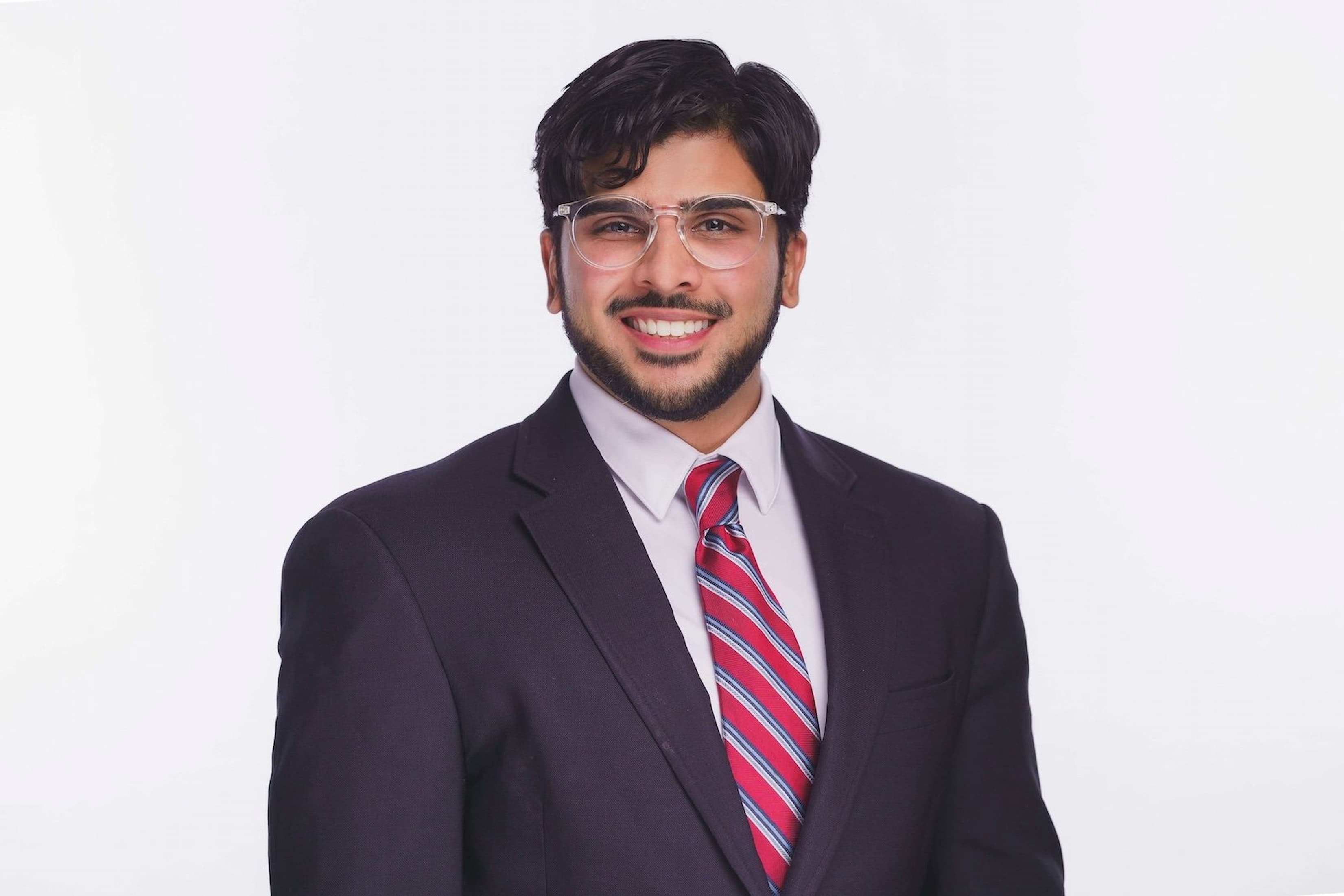
Shalin Jyotishi
Founder and Managing Director, Future of Work and Innovation Economy Initiative
What do we know about microcredentials and what stories still need to be shared? Reporters and journalists at the 2022 Education Writers Association meeting wanted to know how best to cover this beat. Here is what we know.
Interest in microcredentials has exploded among colleges, employers, students, parents, and higher education and workforce reformers of all viewpoints, and yet there is a lot we don鈥檛 know about them.
That鈥檚 why this year the , the membership group for education reporters and journalists, organized a panel at their titled 鈥�Should Microcredentials Go Macro?鈥�
I was picked as one of the panelists along with , Hanshake鈥檚 Chief Education Strategy Officer, and , Head of the Community College Growth Engine Fund at the Education Design Lab. , the higher education reporter at Crain's Cleveland Business, moderated the session.
Our job was to help journalists and reporters across the country with four goals:
I wrote this article to capture a few things I鈥檇 like to share with attendees and other media professionals working on this beat.
We know that the supply and demand of microcredentials鈥揳lso called non-degree credentials, alternative credentials, and short-term credentials鈥揾ave grown substantially in recent years. Many learners and employers want a faster and more affordable form of career preparation.
Researchers and policy professionals are trying to standardize a common definition across government, academia, and employers, but we don鈥檛 have one yet.
That鈥檚 why nuanced journalistic coverage of this beat is so helpful for the public. However, there are a few standard things journalists should know when covering microcredentials.
The good news is there are a lot of story ideas when it comes to digging into data around microcredentials, and there are lots of great analysts working on microcredentials.
The bad news is that we still don鈥檛 really have all the data we need. Here are a few things to know. This section could be a full report and maybe one day it will be.
TLDR: Analyzing microcredential data is complicated, limited, and time-consuming. That鈥檚 where folks like me and my colleagues can help. Analysts can also help contextualize microcredentials against the bigger picture in education and workforce policy (like how they compare and contrast with apprenticeships, applied baccalaureates, bootcamps etc).
Reporters can also check out the Lumina Foundation-funded which maintains a and of 300+ researchers and analysts working on demystifying various aspects of microcredentials (Disclaimer: I鈥檓 on the ).
Reporters could also reach out to philanthropies part of the to identify reputable sources they fund to work on microcredential. Organizations like help shed some insights on the supply and landscape of microcredentials.
And I鈥檇 be remiss if I didn鈥檛 plug education journalist newsletter and 鈥檚 鈥� both of which are resources to help journalists, and frankly, anyone, follow and find data and sources about microcredentials.

During my presentation at EWA, I promised attendees I'd share a few ideas for stories in this article. Here they are!
There's a new kid on the credential providing block: . Google offers certificates. Microsoft and Amazon Web Sevices offer certifications. IBM offers badges. Some are issued directly while others are in partnership with colleges, universities, non-profits, and other companies like Coursera. Do people obtaining these credentials get jobs or promotions? Do these businesses hire people who get their own credentials?What kind? Are they good jobs? Do they open the doors for a career or just a step stone job? Are the outcomes better than public college alternatives? Should colleges and non-profit industry certification bodies be worried about competition or see these newcomers as partners? What should policymakers, employers and students make of company-issued credentials?
This is the topic of research my colleagues and I are working on at 麻豆果冻传媒, especially in the context of community colleges, and I'd love to see stories cover the institutional factors that enable a college or university to offer high-quality microcredentials that lead to great outcomes for students and employers (which, sadly, is not a given as we've seen). What kind of changes need to be made in terms of employer and wraparound service partnerships, staff upskilling, senior leadership, institutional policy, measurements, faculty incentives and hiring, government relations, and all other aspects of college administration to maximize the benefits of microcredentials while mitigating the risks?
To be fair, this story idea may be more relevant to the HR and labor reporters, but I think education reporters should address it using their lens and for their audiences: Demand and supply of microcredentials are up. We know colleges, companies, and learners are interested in microcredential pathways now more than before and that trend is strong.
So what needs to happen among employers to make hiring and promotion decisions based on microcredential attainment more common? A lot of us believe that employers need to get better at hiring based on skills, which is not universal.
An IBM-sponsored session at EWA 2022 titled "Investing in the Future of Work and a Skills-First approach" tried to take a crack at this question.
I along with the other attendees and the panel brought up a few things to consider:
In Europe and parts of Asia, especially in smaller countries, employers, labor groups, and colleges are often convened by centralized policy authority to get alignment on skills taxonomy, credentials, hiring practices, and labor relations. In America, it's tougher because we have a system of federalism and lack a unified federal agency in charge of all things education and labor. So what needs to happen to regulate microcredentials from a policymaking standpoint?
Here's a hook: This September, (Disclaimer: This organization was spun out from 麻豆果冻传媒) and the are convening 20+ corporate and nonprofit partners to make more of a thing, and a lot of analysts believe that's big for people who have, seek and offer mirocredentials.
This is just a fraction of story ideas still left within the microcredentials beat. I thank the EWA for organizing our panel and look forward to reading more coverage about microcredentials. Questions? Feedback? Get in touch!
is a Senior Policy Analyst on Education and Labor at 麻豆果冻传媒 and a Fellow in AI the World Economic Forum. Follow Shalin on and .
Enjoy what you read? Subscribe to our newsletter to receive updates on what鈥檚 new in Education Policy!
Founder and Managing Director, Future of Work and Innovation Economy Initiative


