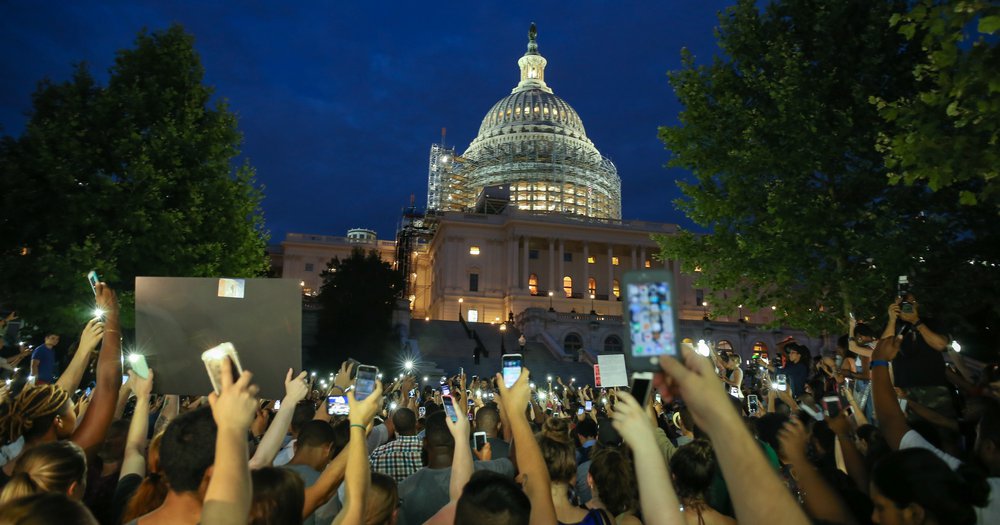
Looking for Little Syria

This blog is part of Caffeinated Commentary – a monthly series where the Millennial Fellows create interesting and engaging content around a theme. As we enter the holiday season, the Millennial Fellows have chosen to explore the ideas of community and home.聽
Nestled amongst the posh hotels that serve the travelers of Manhattan鈥檚 Financial District sits a former church. Its white stone exterior would be austere, but has lost some of its 105-year-old grandeur beneath the ever-expanding shadows of the fifty-story buildings that now surround it. Just above the bustling sidewalk, the church鈥檚 namesake is carved into stone, and is seen driving his spear into the dragon, forever frozen in the infamous religious battle. St. George鈥檚 Syrian Melkite Catholic Church is what some call the 鈥溾�� of the neighborhood known as Little Syria.
Between the 1880s and the 1940s, Lower Manhattan , which accounts for present-day Syria, Lebanon, Palestine, and Jordan. The neighborhood, which was centered around a strip of Arab restaurants, silk shops, and Turkish coffee houses on Washington Street, was a home away from home for immigrants seeking a better life in America. By the early 1900s, over half of all Syrians in America , and the overwhelming majority of those lived in Little Syria. When the 1924 Johnson-Reed Immigration Act limited Syrian immigration to , however, the population ceased to be replenished by new immigrants, and Little Syria was eventually destroyed by an eminent domain claim for the Brooklyn-Battery Tunnel and the construction of the World Trade Center.
Fast forward to 2017, and the has indefinitely suspended immigration from Syria, in a 聽to 1924. Back in what was once New York’s Little Syria, an Irish pub operates within the facade of St. George鈥檚 Syrian Church. Starbucks have replaced the Turkish coffee houses. In the face of erasure and discrimination, where is the Syrian community of New York now?
Emma Coleman
Of the 3.7 million Arabs in the U.S., most are no longer immigrants , and are spread across 10 states. Consequently, Arab immigration to New York City has taken a different form: Arab-Americans from a broader diaspora across the country.
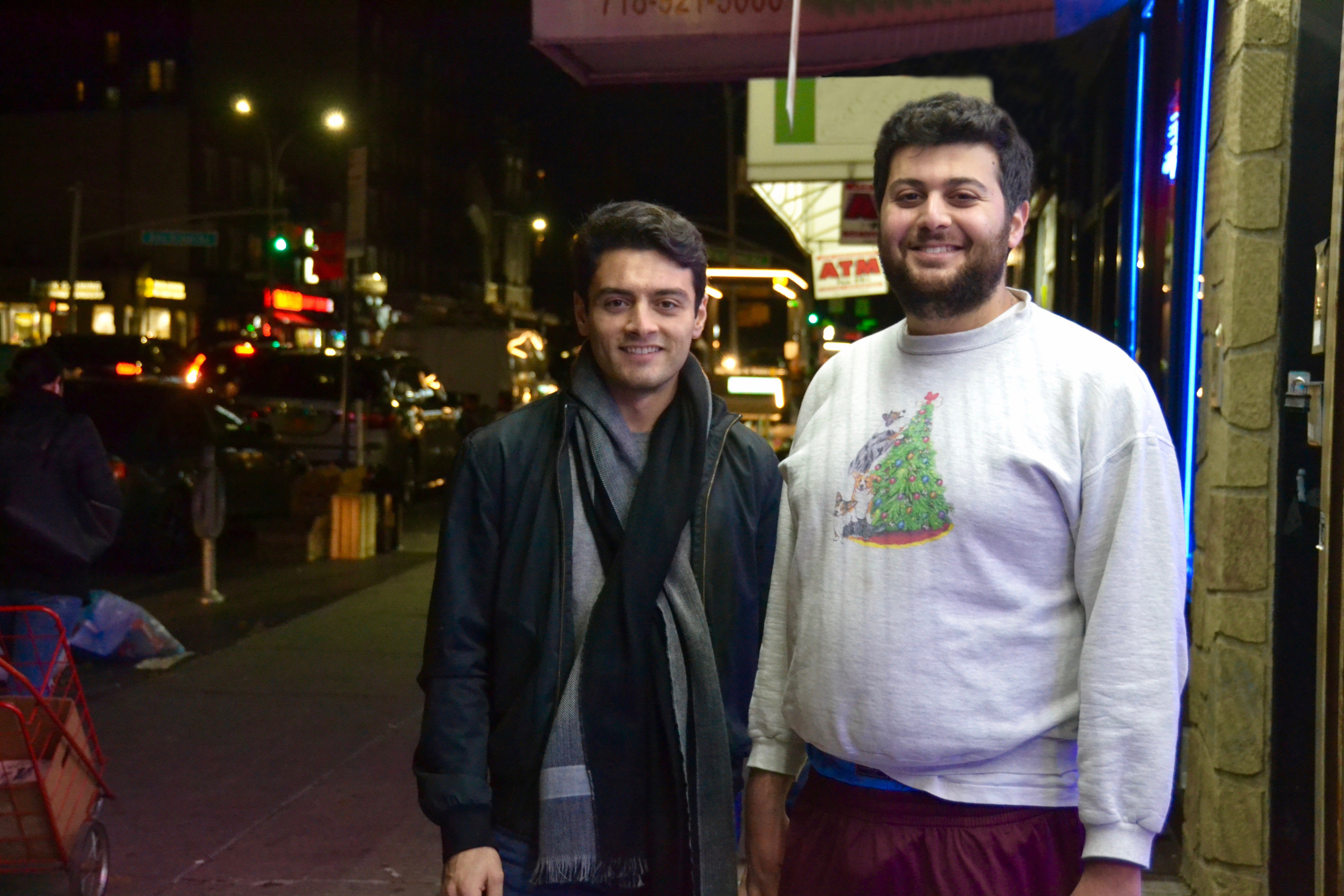
George and Nick Bashour are cousins living in Brooklyn鈥� both in their mid-20s, sports fanatics, and burgeoning cooks. Their parents emigrated from Syria in the early 90s to pursue careers as doctors, and chose an unlikely location to settle down鈥� Cleveland. There, a group of Syrian families has created a network that expands throughout their small suburb on the outskirts of the city. Both George and Nick are quick to call Cleveland home, but with a caveat.
鈥淒efining home as the child of an immigrant is tricky,鈥� George notes. 鈥淭he Syrian community that I grew up in symbolizes home to me, but I think there鈥檚 some inherent joy in being somewhere that is the home of your family, and that鈥檚 Syria, not Cleveland.鈥�
鈥淗ome is where Syria is,鈥� Nick confirms. 鈥淲hen I get off the subway in New York, I say I鈥檓 going home, but it鈥檚 not really home.鈥�
The cousins were called to New York for different reasons鈥� one for law school, one for a consulting job鈥� but they do agree that even with the Arab strongholds in Bay Ridge, Brooklyn, or Astoria, Queens, New York hasn鈥檛 provided an environment that feels quite like home.
Lately, New York City has made an effort to become a more welcoming place to immigrants and minorities, launching their 鈥溾�� campaign early this year with the goal of countering harassment within the city. A聽 in 2016 motivated the聽widespread PSA series and informational website.
Discrimination against minorities in New York often feels intensely personal. 鈥淗aving my bags searched by the cops, or getting detained in Newark鈥� those are visceral experiences,鈥� George remembers. 鈥淭hey make you feel helpless, as if something fundamental to you is dangerous to others.鈥� Nick notes that his privilege often comes from being able to hide his identity and assimilate. 鈥淚 have it easier than other Syrians,鈥� he remarks, 鈥渂ecause my name is Nick, and I鈥檓 Christian, and I can pass as white. I fit in. In that way I鈥檓 lucky.鈥�
Throughout the early 1900s, Arab-Americans to be considered 鈥渨hite鈥� on government documents, with the hope that such a designation would ease the discrimination they were facing. But even with that status achieved, things have only marginally improved. The October 31st聽 in New York earlier this year lit a new flare of anti-Muslim and anti-Arab bigotry throughout the city鈥� even though the suspect wasn鈥檛 even from an Arab country, and instead , which is in Central Asia.
With each new provocation of anti-Arab sentiments in the U.S., the harassment usually is not far behind. This comes in the form of hate crimes, which have been , and racial profiling and bias against Arab-Americans at the hands of the police, which has been a since September 11, 2001. As Mayor Bill de Blasio celebrates his newly-elected second term with a series of , he may consider taking input from the communities impacted by police harassment. George notes that teaching the police is even more important than teaching citizens about their rights, and to do that 鈥測ou need the input of people who have experienced this,鈥� he says. 鈥淔ind out what specific actions have made them feel marginalized, and what could be done better to support them.鈥�
In the face of overt bigotry by police and ordinary citizens, expressing a minority identity can be even more difficult than usual, which makes Arab communities like what Little Syria once was critically important. George, who legally changed his name from Saadala as a child, says that the duality of being Saadala at home and George in public is something with which he constantly grapples. 鈥淗aving places where my suppressed identity can be my displayed identity is really powerful. I feel that in Cleveland, and I feel that in Bay Ridge and Astoria. But I wish a place like Little Syria still existed.鈥� Nick, by contrast, says that he carries his identity with him on a daily basis, because he feels an obligation to build a sterling reputation for fellow Syrians. 鈥淚 feel like a representative of my family in New York, but I also feel like a representative of Syria, and that entire part of the world. I want my work and my life to reflect positively on that.鈥�
Emma Coleman
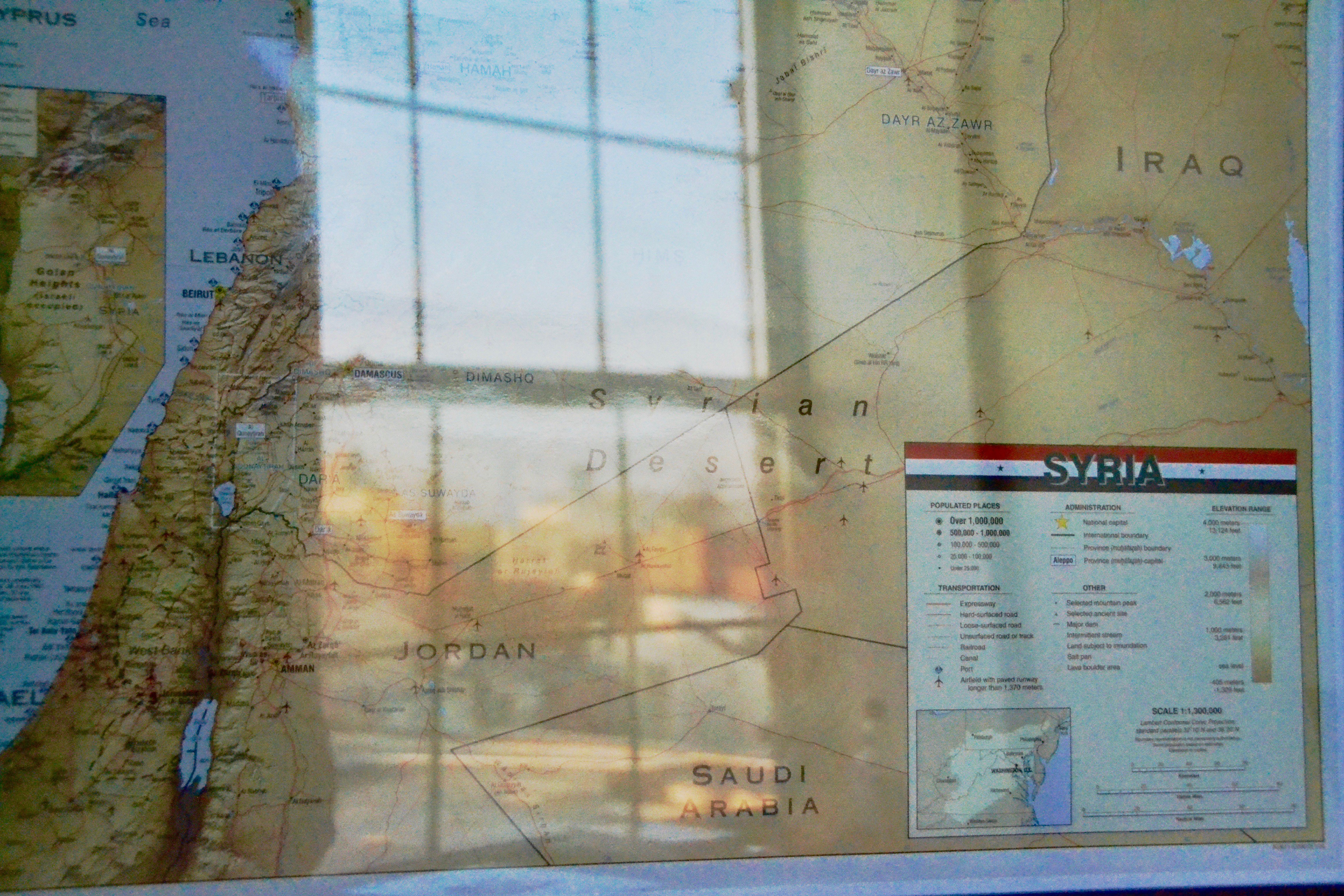
So where is Little Syria now? If you try typing it into Google Maps, you鈥檒l be asked if you鈥檇 like to add a missing place. But it isn鈥檛 missing. It鈥檚 just across the Williamsburg Bridge on the J train, in George and Nick鈥檚 small two-bedroom apartment where a map of Syria hangs on the wall across from a perfect view of the Financial District skyline where Little Syria was once headquartered. A painted darbuka, a type of Middle Eastern drum, sits near the corner and coffee imported from Damascus steams from a small cup on the table. Little Syria exists in thousands of apartments just like this one throughout the city, maintained by Arab-Americans who come to New York looking for a better life.
More 麻豆果冻传媒 the Author
Issues
Programs/Projects/Initiatives
Related
The Millennial Money Myth

Online, Vulnerable Groups Only Become More Vulnerable

One Year Later: Reflecting on the Millennial Public Policy Fellowship