Looking Back on 2013: Early Education Policy in the States
For most every American policy debate, this is the very worst of times. Recent congressional gridlock has stalled even watered down efforts to address immigration reform, climate change, gun violence, ESEA reauthorization, and more. Nothing is happening. Nothing, that is, outside of ongoing jockeying for advantage in the obsessive fiscal battles consuming Washington鈥檚 attention since 2010.
By comparison, early education (birth through 3rd grade) policy is on the move. Perhaps it鈥檚 not the best of times, but there鈥檚 movement鈥攁nd that counts for a lot at the end of 2013. As is customary in early education, some of the most exciting initiatives are coming . Sure, the House and Senate (bipartisan in the House!), but their chances of becoming law in this Congress are, as yet, pretty slim.
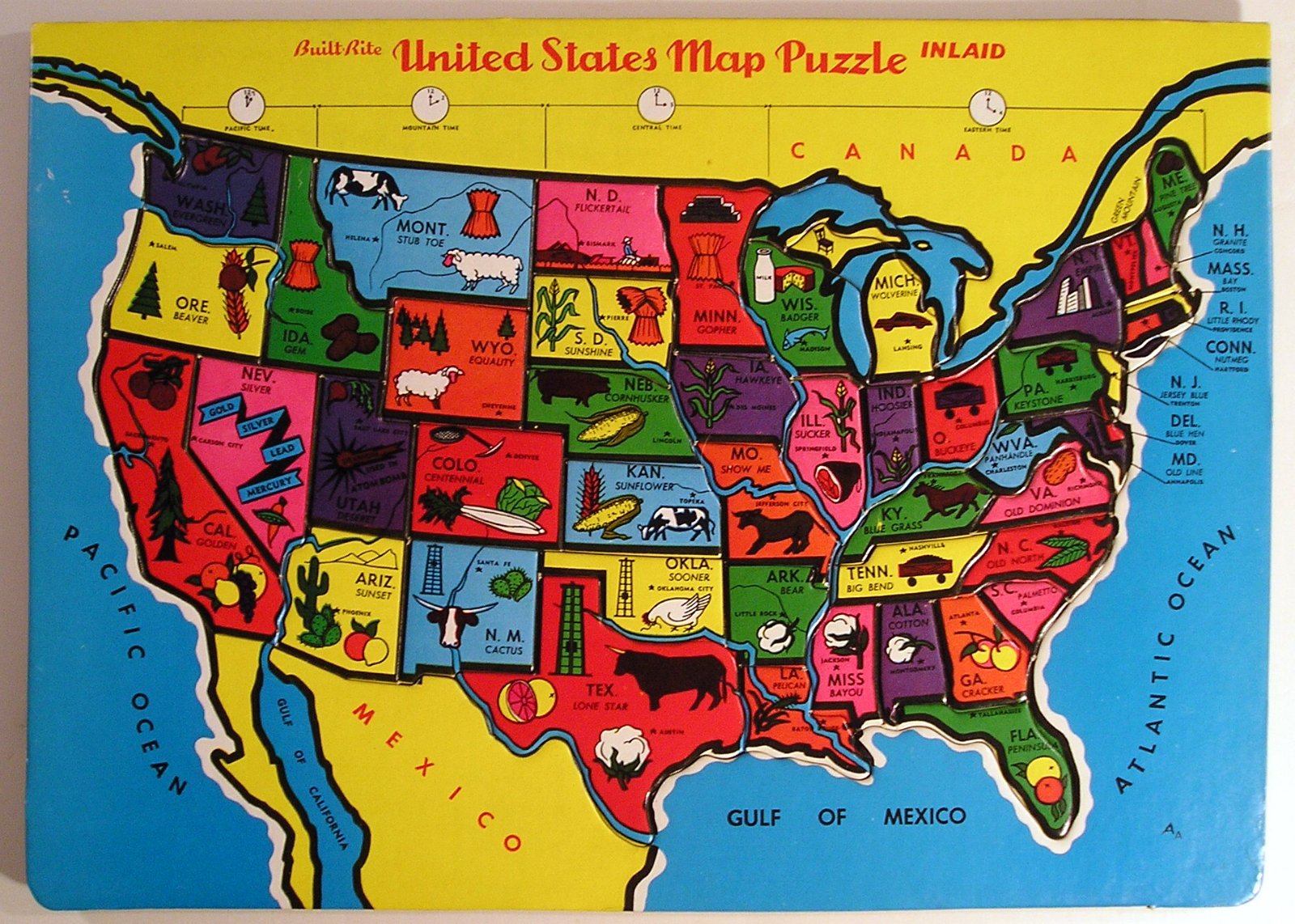
So if you鈥檙e looking for some year-end, early education holiday cheer, take a look at the list of state reforms in . It covers many changes states made during the 2013 legislative session to improve their early education systems: 38 bills across 25 states.
Many of the changes reflect the ongoing fiscal constraints limiting states鈥� ability to invest additional resources in early education. This year, in lieu of expanding budgets, states sought ways to streamline the ways that these programs are delivered. This translated into changes in the organizational structure of various states鈥� early childhood bureaucracies, adjustments to teacher preparation guidelines, tighter oversight of boards of education decisions around English language learners, and more specific quality rating and improvement system expectations for pre-K programs. Even lower-cost changes like these can make a big difference in the incentives shaping teachers鈥� and districts鈥� decisions.
But while times are tight at the average statehouse, some legislators were determined to find new funds to expand more and better early childhood options for their constituents. Nevada set aside $1.5 million to pilot a school readiness assessment in pre-K and kindergarten. Mississippi established a state-funded pre-K program that will begin next fall.聽 Minnesota began a new Early Learning Scholarship 鈥渇or families with a child who will be 3 or 4 by Sept. 1 and with an income equal to or less than 185% of the federal poverty guidelines.鈥� Washington created a high-quality, comprehensive, aligned early childhood system to support students from birth to five years old (). Finally, .
In sum, even if 2013 was a thoroughly disappointing year for political progress on our most serious challenges, there鈥檚 evidence that momentum is building around improving and expanding early childhood education in the United States. Next year鈥檚 challenge: bringing that attitude to Congress.”
More 麻豆果冻传媒 the Author
Issues
Programs/Projects/Initiatives
Topics
Related

Prioritizing Students with Disabilities in AI Policy

In 2026, States and Congress Will Need to Mitigate the Damage to PreK-12 Education
Inside 2025: A Year of Urgency and the Wins That Mattered Most