
Careful vetting is key to workforce program success
Houston鈥檚 Lone Star College system uses its Workforce Program Development Process to ensure new non-degree programs serve student, business needs
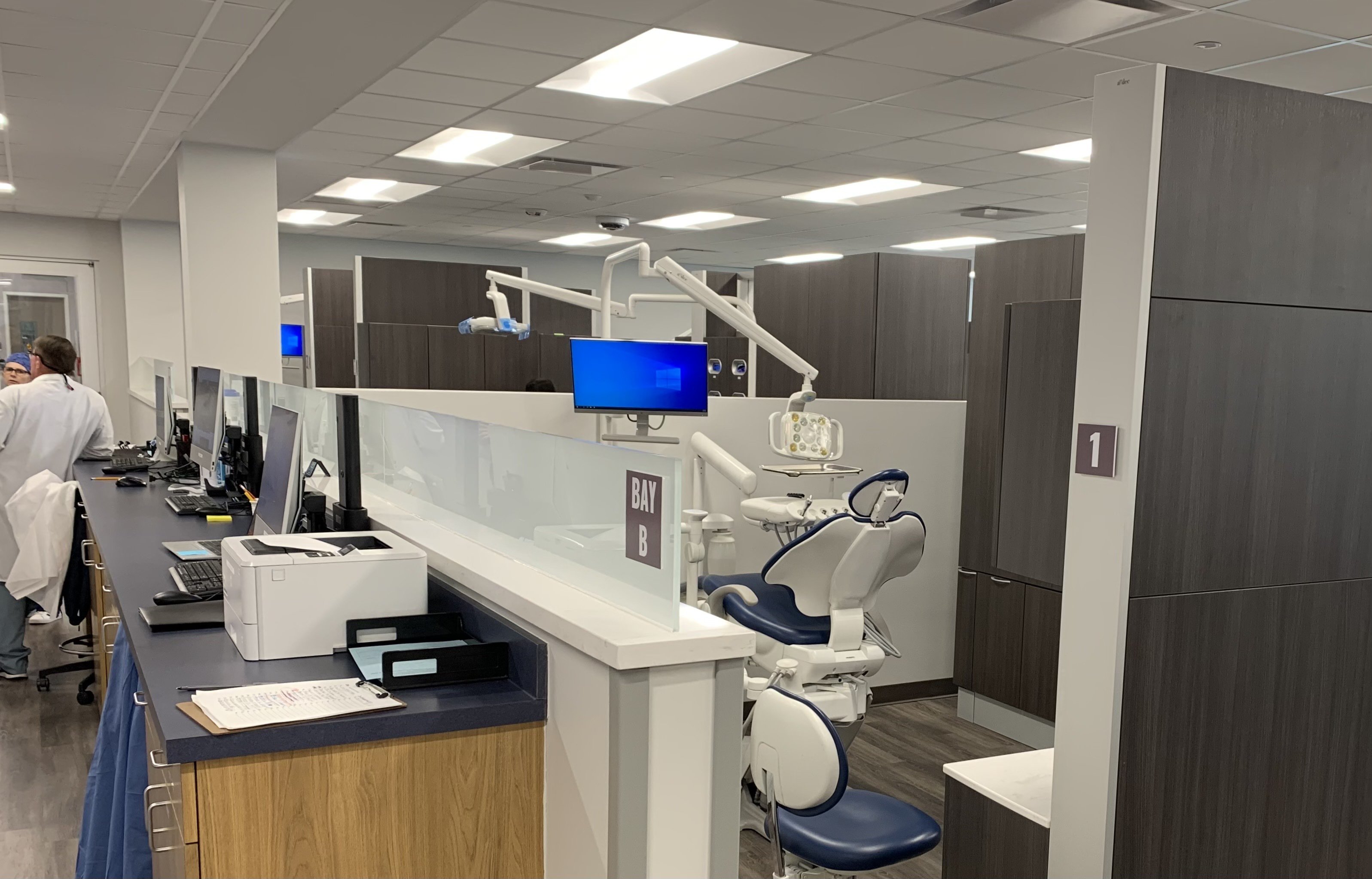
Like many community colleges, Houston鈥檚 Lone Star College system (LSC) manages to 鈥渂e all things for all people鈥� through equal emphasis on transfer and career-training coursework. In its non-degree workforce offerings, a review process that鈥檚 more familiar in academic programs helps ensure students get their money鈥檚 worth.

LSC uses a number of different strategies to ensure quality in its non-degree options, but what caught our attention when we visited this spring was the way the college system selected new programs. Unless they鈥檙e directly paid for by employers contracting with LSC鈥檚 Corporate College, any proposed non-degree offerings must go through a nine-step Workforce Program Development Process before they鈥檙e launched. A 50-person reviews the labor market justification for new programs, consults with subject-matter experts in industry, and conducts a financial feasibility assessment before any new program can be considered by the system鈥檚 executive leadership and campus presidents. Only once the Workforce and Executive Councils sign off does a new program head to the Texas Higher Education Coordinating Board for state approval.
Although the program development process requires a lot of meetings and deliberation, for a system like Lone Star College, it鈥檚 a good way to ensure that individual programs work for students and fit into the college鈥檚 broader mission. The Workforce Council includes not only administrative staff but also a wide variety of academic faculty, who attend meetings even when the program under discussion isn鈥檛 their specialty. 鈥淚t鈥檚 the best now that it鈥檚 ever been,鈥� said Renee Pruitt, the departmental chair of the physical therapist assistant program: 鈥渋t鈥檚 a real system committee.鈥� When an expensive new program for professional pilots was proposed, Pruitt recounted, she and other faculty were skeptical. Would it be worth students鈥� money? With time to review the relevant labor market intelligence, and to hear from regional employers who were interested in hiring graduates, she saw the program鈥檚 value and came onboard.
The Workforce Program Development Process isn鈥檛 just relevant for new programs: existing programs, even some of LSC鈥檚 best established workforce offerings, get a second look. Dr. Archie Blanson, president of Lone Star鈥檚 North Harris campus, and Dr. Michael Burns, the campus鈥檚 VP of instruction, described how they revamped their popular HVAC certificate program into a stackable format that focuses on basic occupational readiness first, before progressing to more advanced residential and commercial topics, then optionally into degree-focused academic coursework. Once students are set up with a steady, well-paid job, Drs. Blanson and Burns have found, they鈥檙e better prepared to take on their general education requirements in an associate degree program. Workforce programs need to move quickly, Dr. Blanson told us, but 鈥渨e don鈥檛 do things in a hodge-podge way. We need to know we鈥檙e going to have a process that works for students at the end.鈥�
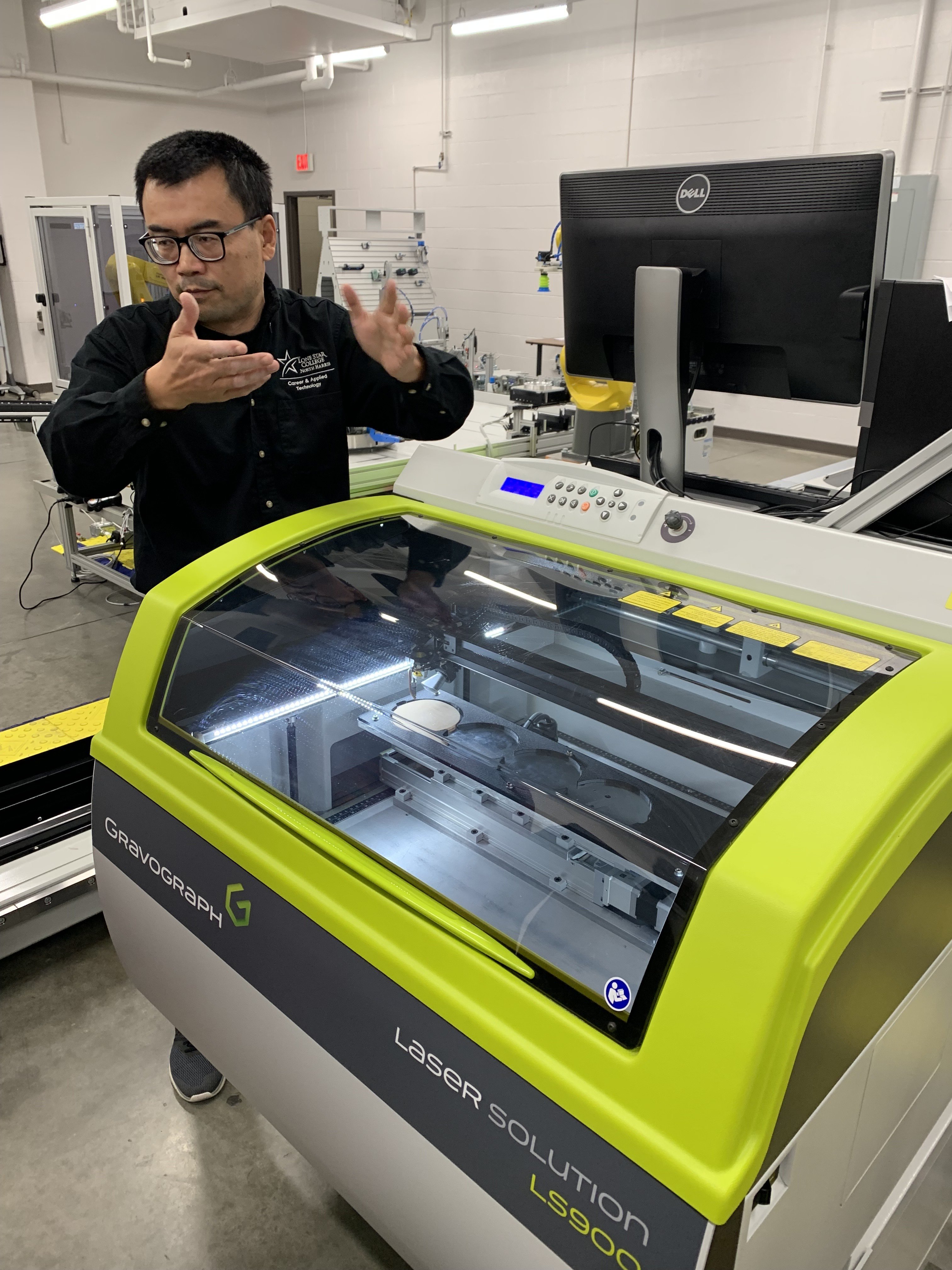
Careful vetting and continuous program review support a common objective we heard about in our visits with different campus leaders across the Lone Star College system: providing a welcoming environment for first generation college students, especially undocumented residents and members of Spanish-speaking communities. Dr. Melissa Gonzalez, president of the healthcare-focused Kingwood campus, told us that many prospective students still only associate community colleges with their academic mission鈥攖ransfer-oriented coursework in literature, government, and history, for example鈥攁nd may miss the full breadth of LSC鈥檚 options. 鈥淚t weighs a lot on me,鈥� she said, 鈥渋t鈥檚 our job to ensure that our community understands all the programming we have.鈥� Dr. Burns, the North Harris campus鈥檚 head of instruction, sees quality workforce programs as a way to help students reconceptualize a college experience that many feel wasn鈥檛 made for them. 鈥淲e hear a lot of students say, 鈥業鈥檓 not ready for college.鈥� We tell them, 鈥楾hat's OK.鈥欌��
Lone Star College鈥檚 sophisticated program evaluation and planning processes aren鈥檛 the only reason for the workforce division鈥檚 success, of course. A large and hardworking financial analysis and planning team makes sure that each of LSC鈥檚 seven campuses are plugged into the right funding opportunities. In 2017, Hurricane Harvey spurred LSC to invest in online education, keeping later pandemic enrollment effects minimal: the system only lost about five percent of its headcount between fall 2019 and fall 2021, compared to . Regional economic conditions play an important part in LSC鈥檚 success and relative stability, too. Houston is home to lucrative petrochemical and shipping industries, providing plenty of job training opportunities for Lone Star鈥檚 75,000-strong student body, the according to the most recent Education Department data.
Not all community colleges are blessed with Houston鈥檚 economic dynamism or LSC鈥檚 size, but any workforce department can use LSC鈥檚 academic-style program review to support the success of career-focused students.
For more information on LSC's Workforce Program Development Process, you can consult the process manual .
Enjoy what you read? Subscribe to our newsletter to receive updates on what鈥檚 new in Education Policy!
More 麻豆果冻传媒 the Author
Issues
Programs/Projects/Initiatives
Related

Commerce Department鈥檚 Regional Tech Hubs 鈥� Where Do They Stand Today?

Announcing the 麻豆果冻传媒 & ACCT Work-Based Learning Capacity Building Cohort

Workforce Pell Is Live. Here’s How States Are Approving Programs
