Amaya Garcia
Director, PreK-12 Research and Practice
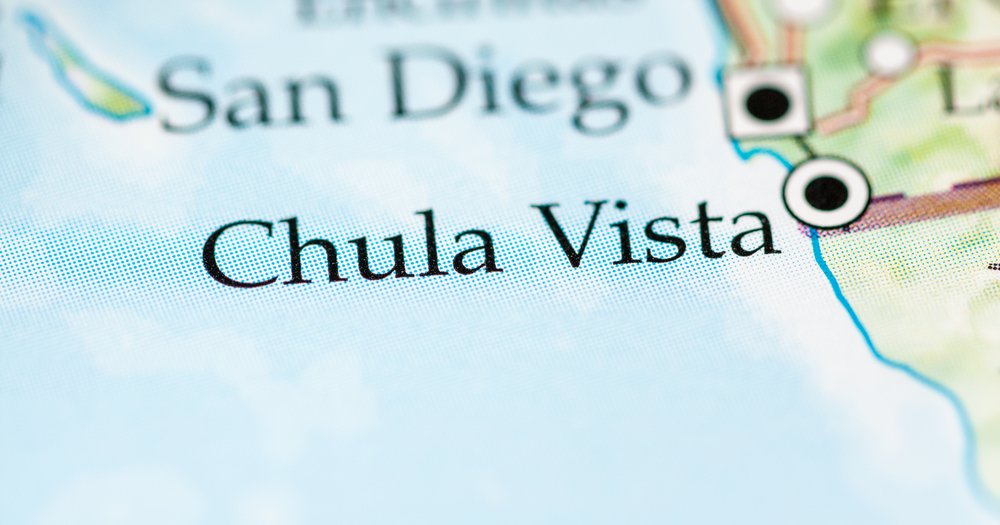
The city of Chula Vista sits about nine miles north of the border between California and Mexico — a border that is fluid according to Francisco Escobedo, superintendent of Chula Vista Elementary School District (CVESD). 鈥淔or San Diego there is no wall; it鈥檚 very seamless,鈥� said Escobedo at the聽.聽鈥淭he connection between San Diego and Tijuana is huge. We depend upon each other not only for the rich multicultural experience but for economic reasons as well.鈥� Indeed, even some of the district鈥檚 teachers cross the border daily as they travel from their homes in Tijuana to their jobs in Chula Vista.
Chula Vista Elementary School District enrolls about 30,000 students from through sixth grade 鈥� a full 36 percent of these students are English learners (ELs), 91 percent of whom come from homes where Spanish is the primary language. Spanish is a central language in the district given their student demographics and location. The value placed on the Spanish language is evidenced by the district鈥檚 21 Spanish-English dual language immersion programs that provide students with instruction in the two languages to help them become bilingual and biliterate.
Today, we released a new report on dual language immersion (DLI) programs, Educating California鈥檚 English Learners: Chula Vista鈥檚 Expansion of Dual Language Programs in an Era of English-Only Policies, which details the district鈥檚 approach to scaling up these programs at the height of anti-bilingual education sentiment in the state. Chula Vista provides a strong example of how to scale up dual language immersion programs by paying attention to community input, how to partner with local higher education to gain well-prepared bilingual educators, and how to prepare all teachers to facilitate ELs鈥� language development.
The story begins in 1998, shortly after the passage of 聽effectively eliminated bilingual education in California. It was then that CVESD opened the first Spanish-English dual language immersion charter school in the district. Chula Vista Learning Community Charter (CVLCC) School was designed through a collaborative process that aimed to make the school a 鈥渂eacon of innovation,鈥� according to executive director Jorge Ramirez. Today the school enrolls 1,500 students and is anchored by a teacher-created curriculum focused on promoting social justice and global citizenship and a commitment to ensuring that both English and Spanish are equally valued in the school community.
Many of the teachers at CVLCC are graduates of the department of 聽Dual Language and English Learner Education (DLE) at San Diego State University (SDSU). The program partners closely with CVESD to prepare the majority of their dual language teachers and has helped the district avoid bilingual teacher shortages that often plague DLI programs. As Escobedo explained, it is incumbent on school districts to develop strong relationships with local institutions of higher education in order to help staff programs. 鈥淯nless you pressure your universities you鈥檙e going to have that challenge year after year finding the right teachers. My suggestion for districts who are really serious in sustaining and growing [DLI programs] is you have to influence your higher ed institutions. For us that鈥檚 been SDSU.鈥�
Last November, California voters overwhelmingly approved , which removed restrictions around bilingual education and provides districts with flexibility to implement DLI and other bilingual programs for all students. However, the state is facing a 鈥� a repercussion of Proposition 227 鈥� and intentional partnerships between universities and school districts may be one way to help reinvigorate the teacher pipeline.
For more on how Chula Vista鈥檚 approach to DLI program expansion, their partnership with SDSU and efforts to prepare all teachers to work effectively with ELs, read their story .
Director, PreK-12 Research and Practice