Flint Families Face More Than Poor Water Quality
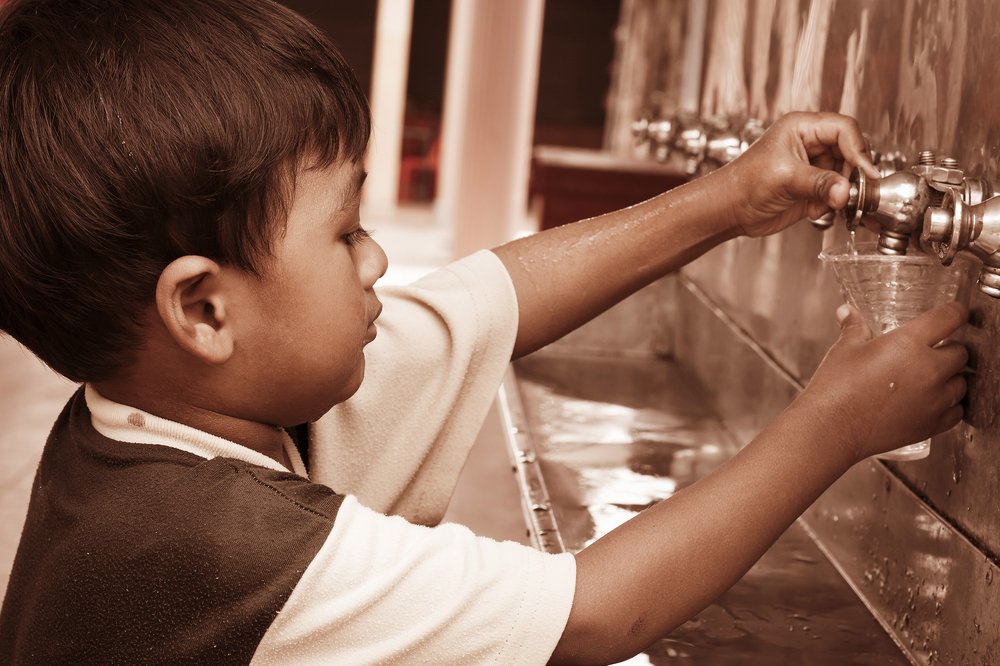
Since the story breached national news last month, Flint鈥檚 water quality scandal has attracted captivating headlines about 鈥減oisoning children鈥�. This attention is warranted– infecting residents鈥� water with lead and doubling the rate of lead in children’s blood is downright alarming. What has received less attention is the environmental degradation that low-income families are facing in this .
The decisions that led to poisoning the people of Flint are a poignant indication of the way our leaders too often treat those in poverty. In April 2014 was made under Governor Snyder to switch Flint鈥檚 water source from the Detroit system to the Flint River, a temporary move until a new line could be established with Lake Huron. The state went ahead with the switch in an effort to save money, even though the Flint River has a reputation of being unsafe. Almost immediately following the switch, residents complained about the water鈥檚 taste and smell, although it took over a year for the city to respond to these concerns.
The water crisis in Flint is an unfortunate but much-needed reminder of the inequitable experiences that poor, minority families often experience. Many of the families facing poverty in Flint already struggle to obtain food, housing, and 聽transportation; and now they must add water, generally considered a basic right in this country, to that list.
Flint鈥檚 unfortunate story mirrors several other rust-belt cities and illuminates the antecedents of the current residents鈥� plight. Through the late 1970s, Flint was a hotbed for automotive work, with 80,000 people in 1978. Jobs began to leave Flint in the 1980s as GM closed down plants, and it was only a short time later that Flint鈥檚 population followed suit. What Flint now has to offer is a population that struggles against , high unemployment, and even higher crime rates.
Many Flint families are already constrained by economic barriers, and they are now forced to take extra time and money to find or purchase clean water. These costs are clear and significant, but they only brush the surface of what Flint families are dealing with. For example, the stress associated with keeping children and pets safe, bathing in bottled water, and caring for personal needs without adequate supplies can amplify mental health challenges that threaten the emotional fabric of family life. These threats to family stability are amplified in a community that has , and very low-income households.
If the moral calamity of the situation is not compelling enough to warrant indignation, then the costly long term problems associated with the state鈥檚 attempt to save money should spark outrage. Some parents are developing from bathing in their water, meaning that they cannot work or be successful caretakers while struggling with these medical conditions. Health care costs may rise as a result of the lead, a burden both families and the government could bear. Similarly, lead can cause , often leading to lower IQ鈥檚 and subsequently altering behavior patterns. The children of Flint who have been subjected to heightened levels of lead in their bloodstream will likely suffer from and behavioral problems. This damage is permanent and will undoubtedly impact their future success in school and in life. (We鈥檒l have more on this in a later post.)
As environmental disasters have shown time and time again (remember ? Remember ), poor communities are ripe to be taken advantage of when policymakers seek to minimize costs. The unfortunate irony is that the water crisis in Flint will have a host of negative consequences for society that will cost the state far more than the money they tried to save in the short term. One prominent example is the children who will now need expensive special education services in schools, which could eventually burden the criminal justice system as more students are delinquent.
Tragically, there are other underserved communities whose children suffer from lead-poisoning at higher rates than Flint鈥檚 (for example, soil has higher levels of lead than Flint鈥檚 water), but these communities remain largely unnoticed. At least Flint鈥檚 local population is actually receiving a spotlight on their misfortune, unlike many other disadvantaged areas.The attention towards Flint may actually be beneficial in this case because more transparency can help amplify the problem and hopefully remedy the water quality. Still, it was not until the damage was already done that notice was taken of this poor community.
Perhaps poisoned water is the natural consequence of a society that puts pennies before the safety of a marginalized community.This is certainly a pessimistic outlook, but one that creates obvious urgency for change. The news crews will surely move on, but this conversation should not. Flint can be the starting point for a modern understanding about environmental inequalities and the barriers they place on everyday families.”
More 麻豆果冻传媒 the Author
Programs/Projects/Initiatives
Related

Guiding Community Leaders on Family Engagement and Early Learning

Maternal Depression May Reduce Empathy in Children

The Importance of Social Networks Among Low-Income Fathers