What American Greatness Means: The Presidential Election and Dual Language Learners
Is there room for dual language learners in the new administration's vision for the country?
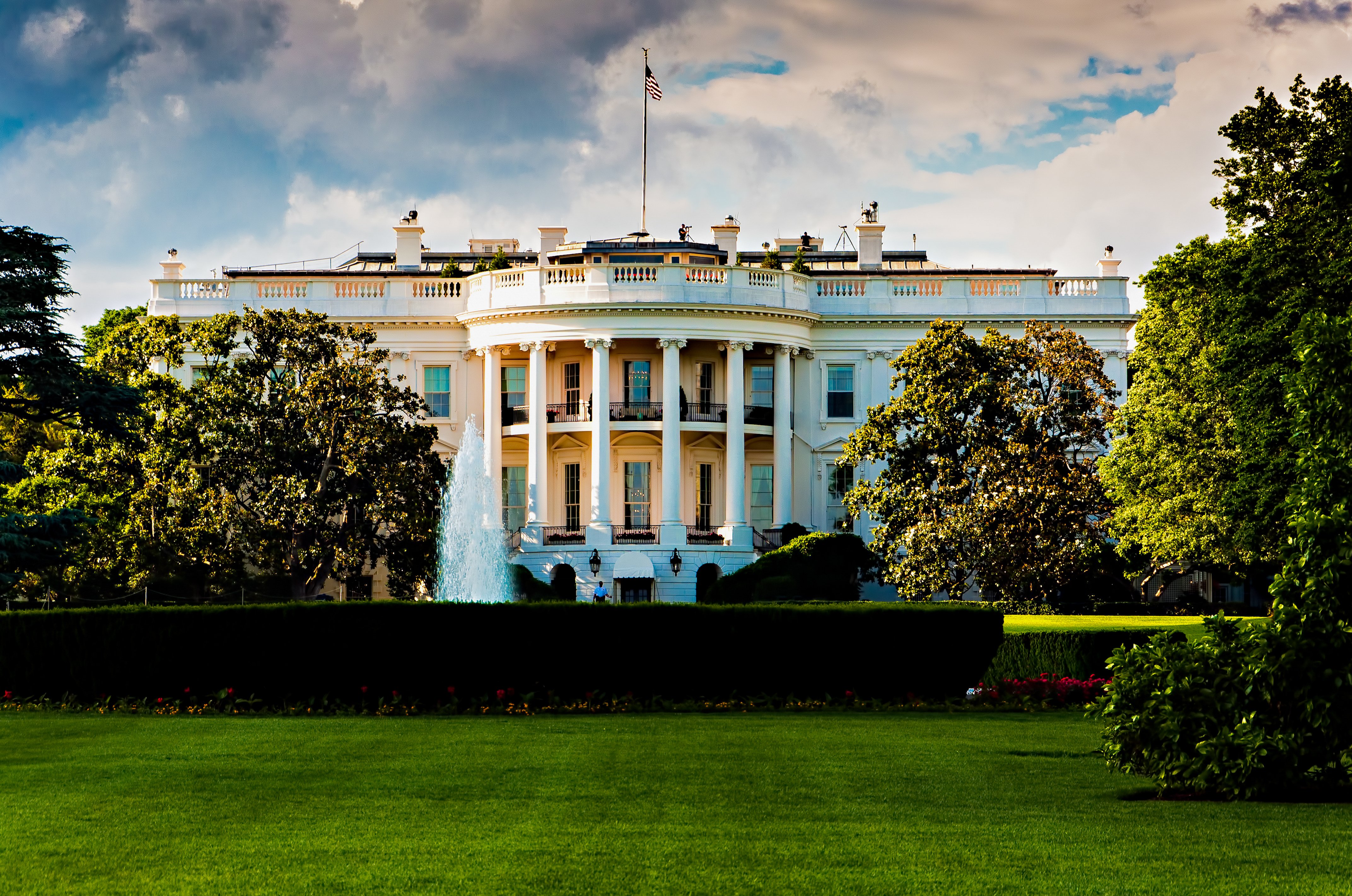
And then, at last, the whole unwieldy campaign flipped, stumbled, turned, and ground to a halt amidst the foggy haze of post-mortem electoral coverage.
Yes, it鈥檚 finally over. The 2016 election is filed and finished. All the new cards are in the political deck, the shuffling has been finished, and the dealing is done. While education on , it will be a significant part of various local, state, and federal governing agendas. So, as the gamesmanship restarts, it鈥檚 time to review how the elections will affect dual language learners (DLLs).
At the federal level, the election results produced little clarity. Incoming president Donald Trump did not address DLLs directly and only touched on federal education policy in passing. Here in the Beltway, in the 鈥渟wamp鈥� he has vowed to 鈥�,鈥� the early chatter is that Trump may not quite follow through on his pledge to close the U.S. Department of Education. However, that 麻豆果冻传媒 team hopes to ax the department鈥檚 Office of Civil Rights and dramatically reduce federal oversight of how states spend federal education dollars.
When it comes to decreasing the federal role in education, the new administration shouldn鈥檛 run into much trouble from Congress. Indeed, since passing the Every Student Succeeds Act (ESSA) at the end of 2015, Congress has sustained over how much authority ESSA retains for the U.S. Department of Education. Given that Republicans retained control of both houses, there is little reason to believe that they will offer serious resistance to any Trump Administration decentralization efforts. So: it鈥檚 likely that 麻豆果冻传媒 Department of Education will walk back, water down, or ignore many of the Obama Administration鈥檚 ESSA regulations on civil rights and school accountability. There will be some limits on this. Any major legislative changes would have to hurdle a 60-vote filibuster threshold in the Senate, meaning that major Trump proposals would need all 52 Republican votes, as well as securing support from eight Democratic senators. (Note: there is no guarantee that the will .) Still, ESSA is 聽that the new administration will have ample room to abandon much of its accountability provisions without engaging Congress.听
But this is all general. What about DLLs? It would be easier to write something guarded, one of those impotently-vague truisms, something like, 鈥渋t seems probable that DLLs are unlikely to be a priority for the Trump Administration, provided that political winds stay constant.鈥� But that would miss the forest for the trees and badly misstate the new political context shaping DLLs鈥� educations.
Here鈥檚 what I mean: education is a unique policy area. Unlike, say, international affairs or environmental regulations, education is intimately involved in the shaping and forming of our shared society. We build our communities and their patterns of behavior through our education system. As such, education policymaking is always tinkering with the complicated processes of replicating our culture down to the next generation. That means that new education policies are always implicitly about signalling what sort of country we are today while also determining what sort of a country we鈥檙e trying to build in the future. American philosopher John Dewey put it this way: 鈥渦nless education has some frame of reference it is bound to be aimless, lacking a unified objective.鈥�
This is a cross-partisan sentiment. Education policymakers of all stripes link their thinking on schools to their thinking on U.S. society 鈥� or, to say it grander, their proposed reforms sketch the shape of an America yet-to-come. Since the Reagan Administration鈥檚 publication of , business-minded conservatives have devoted themselves to education policies that will create 鈥�.鈥� Progressives dreaming of a more plural, diverse civil society . And so on and so forth.
And that brings us back to DLLs. Like many successful presidential candidates, 麻豆果冻传媒 campaign was anchored in a broader vision for the United States鈥� future. His particular vision served as grounding for a series of positions that are deeply hostile to DLLs and their families. Critically, he promised a restoration of American greatness, one that he frequently defined in terms of attacking and overcoming groups of people he described as threats.
First, 麻豆果冻传媒 campaign began with astonishing stereotypes , who make up of English-learning newcomers in the United States. He has deport millions of undocumented immigrants and build a wall to seal the border between Mexico and the United States. While of the country鈥檚 DLLs are native-born Americans, many have parents, family members, and/or caregivers who are undocumented.
Second, Trump proposed from entering the country and promised to require Muslims already living here to . Muslims make up nearly half of this year鈥檚 refugee population. Many Muslim students come from Arabic-speaking countries: .
Third, 麻豆果冻传媒 vision catalyzed a veritable of into the American public sphere. Former Ku Klux Klan leader (and prominent Trump supporter)聽David Duke , 鈥淗e鈥檚 made it OK to talk about these incredible concerns of European Americans today, because I think European Americans know they are the only group that can鈥檛 defend their own essential interests and their point of view.鈥� Further, 麻豆果冻传媒 on an American-born judge of Mexican heritage suggest that he holds an 鈥渆ssentialist鈥� view of culture and ethnicity 鈥� that is, that the judge鈥檚 ancestry fundamentally determines how he discharges his duties within the United States鈥� judicial system.
Finally, Trump has cast families as a to the United States鈥� and . Refugee children frequently speak non-English languages as their native tongues, and bring a host of additional challenges to school.听
These are the pieces of President-elect 麻豆果冻传媒 vision for the United States, and they are plainly hostile to DLLs, immigrant families, and cultural pluralism. He has sounded some conciliatory notes in the days since the election, but there is a path dependency to these things. His governing agenda for education will inevitably be shaped by the 鈥渇rame of reference鈥� he forged in the heat of the campaign 鈥� not least because of the of his nationalist, populist rhetoric.
Indeed, the effects of 麻豆果冻传媒 new vision of American greatness . Diverse groups of students are being threatened with violence and hate speech in schools across the country. We have limited evidence that Trump is interested in focusing federal attention on underserved students in general. Furthermore, there is little room for optimism to be found in his campaign鈥檚 hostility to immigrants in general, refugees in particular, and multiculturalism in concept and in fact. So: it is difficult to imagine how the end of this campaign could serve as a foundation 鈥� let alone a springboard 鈥� for significant new federal attention to DLLs鈥� needs, let alone corresponding improvements in how they are educated.听
It just doesn鈥檛 seem to be in the cards.
—
This post was written by Conor P. Williams, founder of the Dual Language Learners National Work Group. You can find him on Twitter at . Click here for more information on this team鈥檚 work. To subscribe to the biweekly newsletter, click here, enter your contact information, and select 鈥淒LL National Work Group Newsletter.鈥澛�
More 麻豆果冻传媒 the Author
Issues
Programs/Projects/Initiatives
Topics
Related

Children Belong in School Learning, Not Left to Languish in ICE Detention

Interview with Emilio Saenz: Helping Families Find Bilingual Support in Arizona Schools

English Learners Need More Federal Support to Succeed, Not Less