Lauren Sarkesian
Senior Policy Counsel, Open Technology Institute

鈥�…how were [these technologies] approved for use by MPD? Do we know? Or were they approved?鈥�
Great questions. D.C. City Councilmember Anita Bonds posed these questions during a recent debate surrounding two police technologies within the context of the passed in July. Councilmember David Grosso introduced two amendments to that legislation, which would have temporarily banned the and (surveillance devices that mimic cell phone towers, tricking nearby cell phones in the area into transmitting their locations and identifying information) by the Metropolitan Police Department (MPD). Although the Council did not approve these amendments, their was quite revealing and set the stage for future discussions on surveillance technologies. The discussion showed just how little the D.C. City Council members themselves have been informed about the surveillance technologies that police are using in the District.
The City Council鈥檚 lack of familiarity with these technologies despite MPD鈥檚 use of them makes sense: the Council has never passed laws authorizing or regulating such technology in the District. And the Council is not alone in its confusion and lack of awareness; if Councilmembers don鈥檛 know what technologies are being used, how, and when, how can D.C. residents have any understanding or clarity?
For that very reason, OTI is part of a known as 鈥淐ommunity Oversight of Surveillance – D.C.鈥� or COS-DC, which has been urging the City Council to adopt a law to bring transparency and oversight to surveillance technologies used in the District.
To answer the Council鈥檚 apt questions: as far as we know, acquired initially for antiterrorism purposes and later deployed to track cellular phones possessed by suspected fugitives, drug traffickers, and violent offenders. When it comes to facial recognition technology, in 2017 called Morpho Face Detective (MFD) to assist detectives in identifying individuals involved with a crime. But despite ongoing use, three years later we still have no regulation of any of these technologies, and transparency efforts are scarce. Confidentiality agreements with the relevant companies or the FBI have further impeded transparency into both and in D.C.
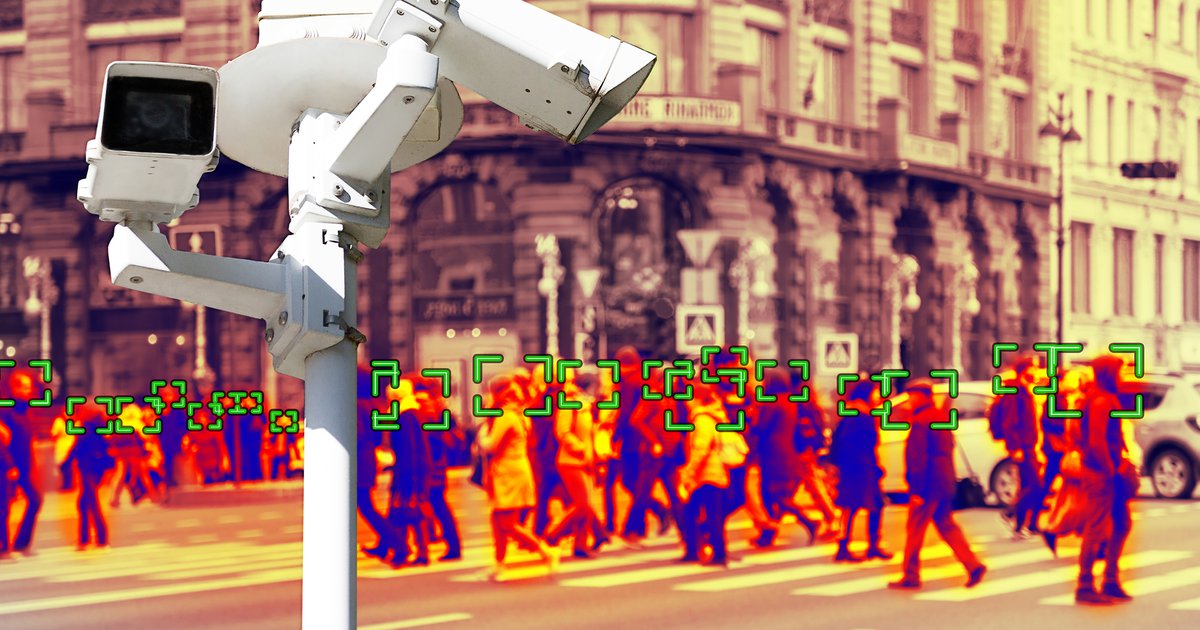
And these are not isolated cases. In fact, only body-worn cameras and closed circuit television (CCTV) systems are subject to rulemaking and transparency requirements imposed by the D.C. City Council. Facial recognition technology and cell-site simulators are among a wide range of other surveillance tools that are currently used in D.C. but remain opaque and largely unchecked. For instance:
These mass surveillance technologies have concerning First, Fourth and Fourteenth Amendment implications鈥攑osing serious threats to residents' free speech, privacy, and equal protection rights. This is especially true when such technologies are used together to track individuals over time. Notably, in 2014 MPD that it had completed the integration of the District鈥檚 CCTV, gunshot locator systems, ALPR cameras, and the Computer Aided Dispatch systems. have repeatedly shown how facial recognition technologies can be prone to error and misidentify women and people of color at much higher rates. Also, it is that cell-site simulators can sweep in sensitive, private information about large numbers of innocent bystanders, and that they can locate people鈥檚 cell phones with great precision, including inside of homes and other private spaces requiring heightened protection under the Fourth Amendment. Likewise, have already found that license plate recognition systems are highly invasive, providing law enforcement with information that could 鈥渁fford a basis for inferring personal characteristics鈥� or the presence of an individual at a certain place and time. Finally, as other , gunshot detection systems can also hear and record human voices, and police in other jurisdictions have used these in court despite warrantless collection (and insistence from police that the systems do not record voices).
An open, full-fledged debate on the deployment of all of these technologies in D.C. is long overdue. To his credit, Councilmember Grosso spurred a welcome and productive discussion in the Council simply by introducing his amendments in July, and the conversation was a useful start. Judiciary Chairman Charles Allen suggested a hearing process where Councilmembers can actually dig into these different technologies; this would be a wise move, and OTI and the COS-DC coalition stand ready to support this effort.
Ultimately, transparency and oversight obligations should be put in place surrounding both the acquisition and use of these surveillance technologies, and as we have argued along with our 鈥淐ommunity Oversight of Surveillance D.C.鈥� partners, we desperately need an oversight law to this end. D.C. residents must have input into whether, what, and how these surveillance tools are used on them.
Senior Policy Counsel, Open Technology Institute
Legal/Public Policy Intern, Open Technology Institute