Arenas of Destruction: Phase Zero and the Future of War
Remarks as prepared at the launch of the new Washington, DC office for the ASU Center on the Future of War
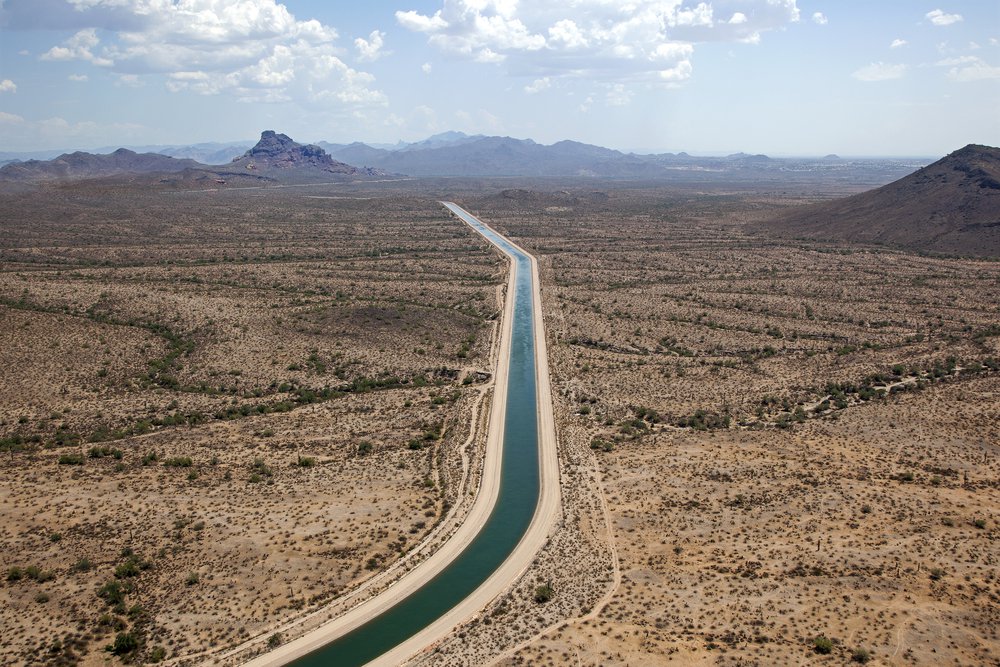
once called 鈥渁ir, earth and water鈥renas of destruction鈥� in the natural state of perpetual war. I don鈥檛 know that I agree with Voltaire about the inevitability of war, though I certainly think it鈥檚 always prudent to be prepared.听I do agree, however, that the natural world 鈥� air, earth, and water听鈥撎齣s the arena for war. It is the battlefield, but also the fuel and fodder of conflict, and sometimes it鈥檚 a driver, part of the tangled mass of the root causes of war 鈥� along with history, politics, and many other factors.
Air, earth, and water are also the elements of peace and of prosperity 鈥� no nation can recover from a war without the restoration of resources and economic activity. Indeed, in many parts of the world today and throughout history, that restoration hasn鈥檛 come easily and war leaves a pernicious legacy of environmental degradation and poverty.
Ultimately, that鈥檚 the whole point: war is not about the fight, but about the aftermath. It鈥檚 about getting to a better peace. And with more than a decade of my career in the Pentagon and veterans in my family, I haven鈥檛 known anyone in uniform who thinks otherwise.
So, as the United States marks a sharp departure from the past and looks at the changing future of war, at new means for organized violence that are changing the character of war (if not the nature), and “revisionist” adversaries 鈥� what role will natural resources play in securing the peace? Allow me to suggest that they will be more than just a passive arena for .
Here are a few numbers to consider.
At the turn to the 19th century, the world population hit the one billion mark for the first time.
At the turn to the 21st century, it was 6 billion.
By the middle of this century, it will be almost 10 billion.
Of that first billion, more than 90% lived in extreme poverty; today, less than 10% of the global population lives in extreme poverty, according to .
140 million people are joining the middle class around the world every year.
That鈥檚 a good thing, of course. More people are getting to enjoy dignity and quality of life. But that also means there are more people who need more, and more people who expect more. More food. More water. More land. More homes. More cars. More smart phones. Which, in turn, means everything from more natural gas and solar panels to more copper and rare earth elements.
Can the Earth meet all of these needs?听 Well, the jury is out, you might say. Humans are remarkably ingenious, and we have found new tools, new resources, and better ways of consuming and producing throughout our history. But there鈥檚 no guarantee and there鈥檚 no free ride 鈥� there are always tradeoffs.
This is not necessarily a question of absolute scarcity causing unrest and conflict, though that may happen, especially with ; but resources are not always well managed. Nor are they evenly distributed around the globe. The United States is now the world鈥檚 largest energy producer, for example, while China is the world鈥檚 largest net importer. On the other hand, China produces most of the world鈥檚 rare earth elements 鈥� and many other critical materials that are indispensable to the information age.
Climate change, a consequence of our resource consumption and rising standard of living, will make the tradeoffs more stark and the pressures on resources more severe, or at least more unpredictable.Does that mean climate change will become the primary cause of war in the future?
No, of course not.
But climate change will interact with natural resources, demographics, poor and corrupt governance, poverty, historical enmity, and other root causes of war in ways that are hard to foresee.
That鈥檚 why we started our new project at 麻豆果冻传媒, in collaboration with ASU, to see if we can anticipate better what these tradeoffs might look like and where the United States might be able to adopt strategies and make investments to promote 鈥� whether that means being robust to a rising tide of natural disasters, or understanding how climate change might affect China鈥檚 global investments in land and minerals
The project is called Phase Zero 鈥� that鈥檚 a reference to something the Pentagon calls Phase One is deterrence and prevention, while Phase 2 is preparing for the start of a conflict, moving forces into place. Phase 3 is active combat and Phase 4 is post-conflict stabilization. Phase 5 is the return of civil order. , defense officials added a 鈥淧hase Zero鈥� 鈥� the time before a war starts, when there鈥檚 still a chance to shape the strategic landscape and avoid armed conflict.
To some extent today, that 鈥減hases of war鈥� concept is not all that useful anymore. War is clearly not that sequential these days. It鈥檚 not even clear what constitutes combat, sometimes. Is the Russian attack on our form of government an act of war, for example? If so, what’s a proportionate response? Is Syria a civil war or a great power proxy fight? How about the South China Sea…or Yemen…or Ukraine? For that matter, the United States has been stabilizing and fighting simultaneously for more than a decade in both Afghanistan and Iraq.
So, while the tidy 鈥減hases of war鈥� construct was arguably better for a more black and white time, Phase Zero is perfect for today鈥檚 shades of gray. Indeed, I would argue that the United States needs to be far better equipped for the .
That means we need a lethal military, sure, but we also need more ways and means to build security 鈥� whether that鈥檚 deterrence, diplomacy, special operations, or trade and development (and the money for each, of course). Natural resources, given all the pressures we expect to see in the 21st century, will be an important part of successfully shaping the strategic landscape.
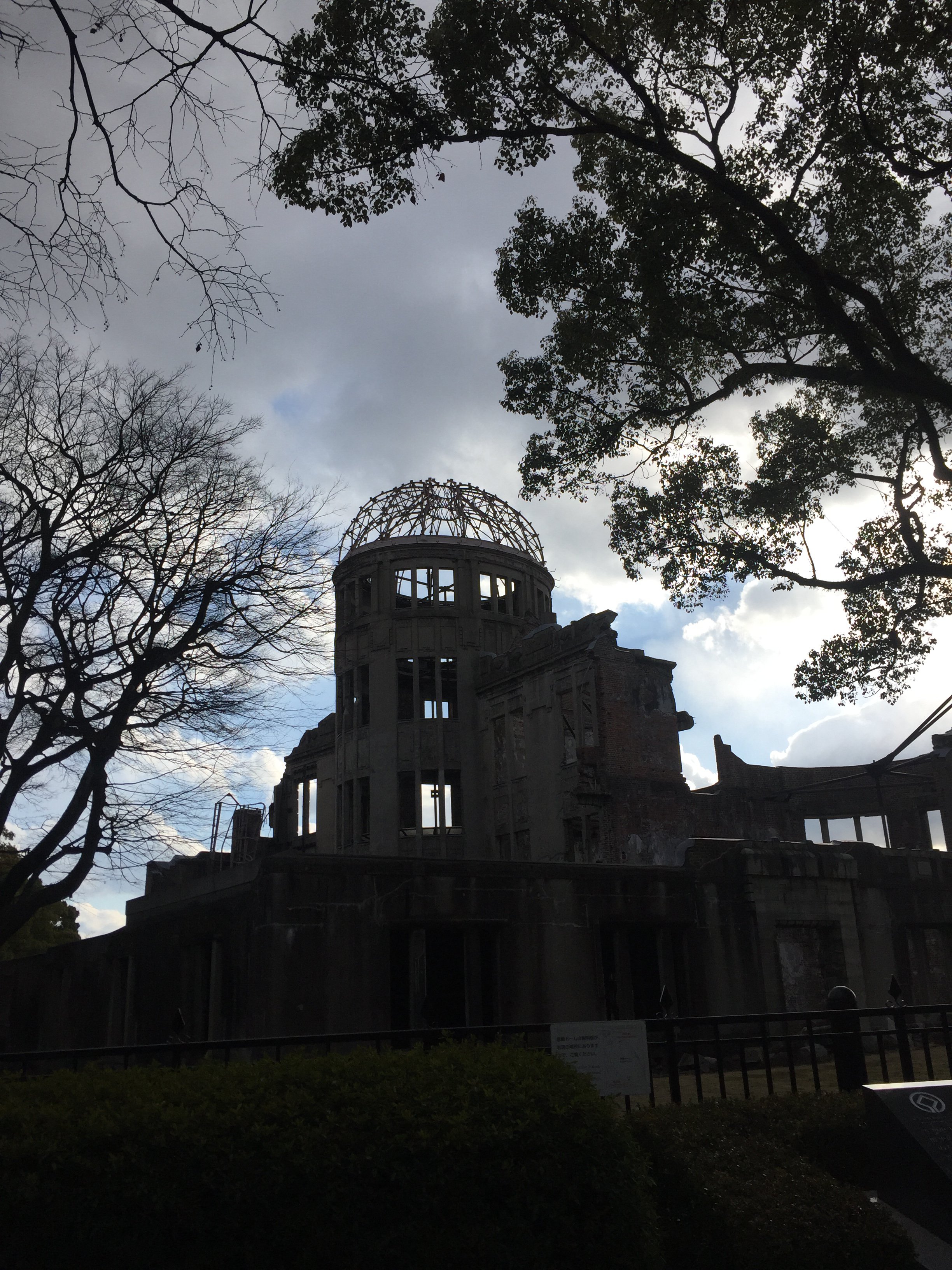
A few weeks ago, I had an opportunity to travel to Japan, and I went to Hiroshima. On August 6th, 1945, the United States dropped a 15 kiloton bomb there 鈥� which the new Nuclear Posture Review would call a 鈥渓ow yield nuclear weapon.鈥� It destroyed most of the city and killed some 140,000 people.
听That was the ultimate arena of destruction.
听And while there are scars that I鈥檓 sure will never heal, Hiroshima, is pretty much a normal city now. There are trees and farms. There are cars, and there are smart phones. People go about their business, and Japan and the United States are the closest of allies.
听Hiroshima is a reminder not just of the terrible nature of war, but also of the remarkable resilience of nature 鈥� and more to the point, of people.听But that鈥檚 not something we should just hope will take care of itself in the future of war. As they say in the Pentagon, hope is not a strategy.
听
More 麻豆果冻传媒 the Author
Issues
Programs/Projects/Initiatives
Topics
Related
The US Military’s Fuel Profligacy in Context
Ensuring Resiliency of Military Installations and Operations in Response to Climate Changes
An Orbiting Oracle?