Debra Bragg
Fellow, Community Colleges

2021 was another active legislative session for community college baccalaureate (CCB) degrees in states across the country. While four-year colleges and universities have historically been the only institutions able to confer baccalaureate degrees, the landscape is changing. We now stand at authorizing CCBs and other states are showing interest.
This year alone, one state authorized CCBs for the first time, others expanded opportunities for CCB to new fields and additional institutions, and still more are examining the possibility of bringing CCBs to their state. Below, we鈥檝e compiled the most important legislative happenings this year:
Bills that were passed
When Governor Doug Ducey on May 4th, 2021, Arizona became the most recent state to authorize community college baccalaureate programs, joining 23 other states. The allows community college district boards to offer baccalaureate degrees that meet applicable regional accreditation and licensure requirements. It does impose restrictions on the number of bachelor鈥檚 degrees allowed in counties with populations greater than 750,000, limiting them to 5 percent of total college degree and certificate offerings in the first four years and 10 percent thereafter. To keep costs for students low, the legislation specified that tuition for baccalaureate programs may not exceed 150 percent of existing programs in the district鈥檚 community colleges. The bill had widespread support in both the Arizona House and Senate. Community college leaders the action, though the bill was met with reservation from some public university leaders and the
Ohio first authorized CCB programs in, but this year they followed up with additional legislation. The legislation, , clarified that public 2-year institutions are authorized to offer bachelor of science in nursing (BSN) programs. Current state law authorized conferral of applied bachelor鈥檚 degrees, which some contend exclude the BSN. Colleges in state have already several CCB programs since the first legislation passed three years ago, and colleges are already interested in beginning to offer the BSN.
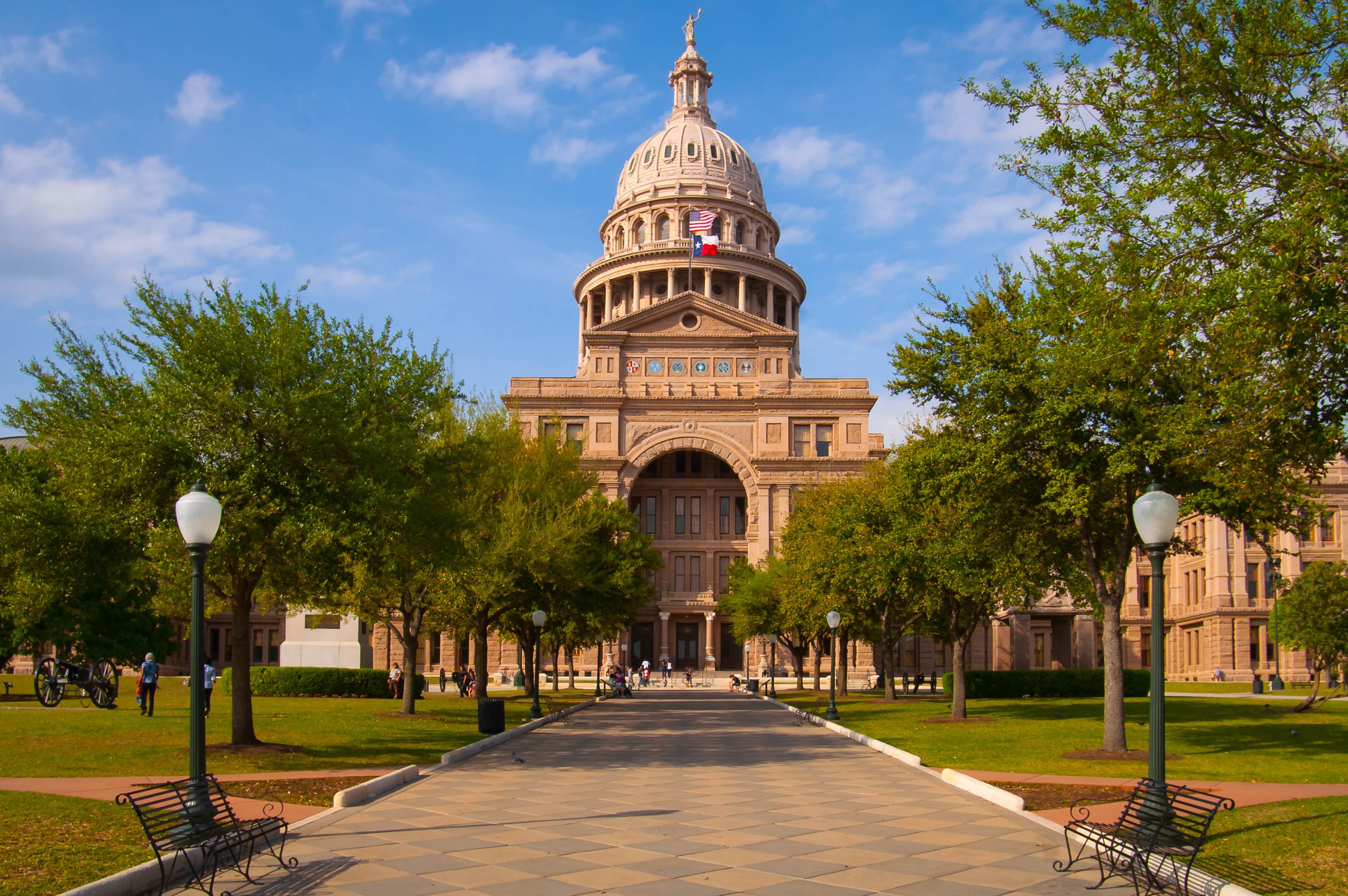
In 2017, Texas authorized community colleges to confer at least three baccalaureate degrees after a successful pilot program authorized earlier. Given how well that鈥檚 gone, passed this session authorizing these colleges to offer up to five bachelor鈥檚 degrees. Several Texas colleges are already looking forward to adding soon.
Bills that didn鈥檛 pass
Arkansas saw its attempt to allow community colleges to offer CCBs read twice and amended, but there was no further motion from there. HB 1854 would have authorized public, two-year institutions in the state to confer applied baccalaureate degrees and 鈥渨orkforce baccalaureate degrees in high-demand career fields.鈥� The bill specifically called out the bachelor of science in nursing–often one of the more contentious CCB programs to introduce due to university pushback–as within the authorizing parameters of the legislation. And while the bill stalled out, the state legislature did pass a calling for the state Division of Higher Education to study policies relating to CCB.
CCB authorizing legislation has been deliberated by the Illinois State Assembly for many years. Like clockwork, a new CCB bill in Illinois has dropped just about every year over the past decade. Now, during the time of the coronavirus pandemic, advocates for CCB degrees hoped the opportunity would arise for action. Noting that COVID-19 is disproportionately impacting families, with many more parents and children facing health, housing, and other concerns, interest in CCB degrees among legislators in Illinois shifted to early childhood education (ECE). After intensive deliberation, which would authorize early childhood CCB programs fell short. However, passed, which will strengthen the ECE pipeline through enhanced transfer policies that encourage more equitable baccalaureate attainment. Whereas CCB degrees remain elusive in Illinois, legislative action to address the state's need for more baccalaureate-prepared early educators in ECE has moved forward.
Still following
In June, Oliver Ford, a state representative from New Hampshire, published an in the New Hampshire Union Leader calling for CCB authorization in the state. So far, no legislation has been filed, but we certainly have our eyes on the Granite State for any forthcoming movement.
Community college baccalaureate programs were first brought to California by in 2014, which authorized a pilot program allowing bachelor鈥檚 degrees to be offered at 15 community colleges with an initial sunset of 2024 (). , introduced this year, seeks to continue community college baccalaureate programs indefinitely, and remove the 15 college maximum. The bill specifies that community colleges may not offer a number of bachelor鈥檚 programs exceeding 25 percent of their associate degree programs, and that only 30 programs may be approved each academic year. After the Legislative Analyst鈥檚 Office鈥檚 of the pilot program, published in 2020, suggested that community colleges did not provide concrete evidence of workforce needs, AB 927 also obligates community colleges to provide more stringent evidence of unmet workforce needs to the Chancellor of the California Community Colleges compared to the requirements in SB 850. (See our critique of the LAO pilot program evaluation here.) The same report found that 51 percent of respondents to a survey conducted by the pilot community colleges said they would not have pursued a bachelor鈥檚 degree if the community college had not offered the program, and that pilot participants had higher graduation rates than transfers to the California State University System. AB-927 , but is currently still in committee in the Senate.
We fully expect to see more action from states as time goes on and CCB authorization and programs grow to meet communities鈥� needs. Stay tuned for a research roundup with quick facts on what we know about CCB programs and the students who enroll.
Enjoy what you read? Subscribe to our newsletter to receive updates on what鈥檚 new in Education Policy!
Fellow, Community Colleges
Senior Policy Analyst, Center on Education & Labor
Director, Community Colleges